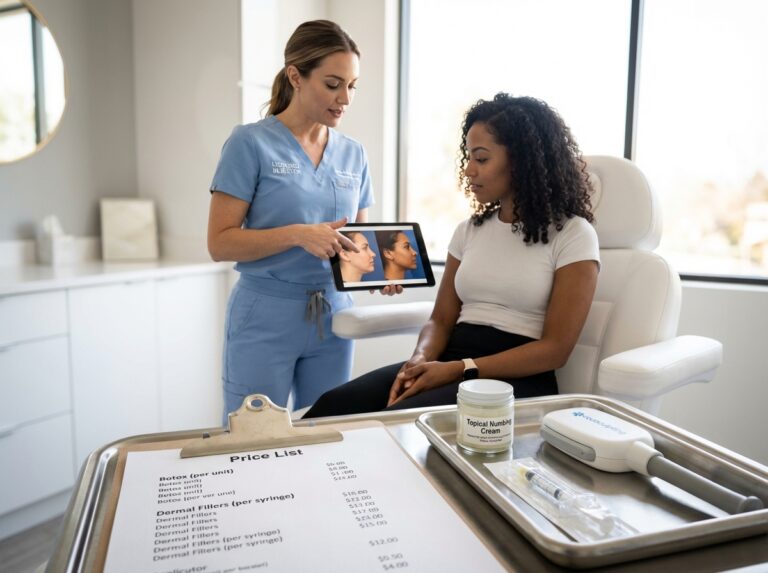
Treating excessive sweating with Botox can be highly effective, but prices vary widely across clinics and regions. This article breaks down realistic Botox costs for hyperhidrosis, how clinics price non-surgical aesthetic services, typical price ranges for fillers and CoolSculpting, and practical steps to compare quotes and avoid overpaying.
Why cost comparison matters for hyperhidrosis treatment
Treating excessive sweating is not just a medical necessity for many people; it is a financial commitment that requires careful planning. When you manage primary axillary hyperhidrosis—the medical term for uncontrollable underarm sweating not caused by other conditions—the costs add up quickly. The price tag often depends heavily on where you go for help.
You might assume that medical treatments have standard prices. In the United States, that is rarely the case. The line between a medical necessity and a cosmetic enhancement blurs when you step into an aesthetic clinic. This ambiguity allows for massive price variations for the exact same procedure.
Understanding Your Non-Surgical Options
Before you can compare prices, you need to know what you are paying for. The market offers several tiers of treatment. Most patients start with prescription antiperspirants or topical therapies. These are the most affordable but often fail to control severe cases.
When topicals fail, the next steps involve more expensive procedures:
- Botox injections
This uses a neurotoxin to block the nerve signals that trigger sweat glands. It is temporary and requires repeat visits. - MiraDry
This uses thermal energy to eliminate sweat glands permanently. It usually costs more upfront but is a one-time or two-time procedure. - Iontophoresis
This involves using a device to pass a mild electrical current through water to the skin’s surface. - Oral medications
Systemic drugs like glycopyrrolate reduce sweating body-wide but come with side effects like dry mouth. - Surgery
Endoscopic thoracic sympathectomy (ETS) is the last resort due to serious risks and is typically performed in a hospital, not a clinic.
The Medical vs. Cosmetic Pricing Gap
The context of your treatment changes the price. If you visit a dermatologist for a medical diagnosis, they might bill your insurance. However, getting insurance to cover **Botox for hyperhidrosis cost** can be a long battle requiring prior authorization and proof that other treatments failed.
Aesthetic clinics and medspas operate differently. They often view sweat reduction as a cosmetic service, similar to wrinkle reduction. They usually do not accept insurance, meaning you pay out of pocket. The benefit is speed and convenience; the downside is that you must be vigilant about **comparing aesthetic clinic prices** to avoid overpaying. A clinic in a high-rent district might charge 50% more than a provider ten miles away for the exact same dosage.
Financial Risks of Not Comparing Clinics
Walking into the first clinic you find is a financial risk. The advertised price is rarely the final cost. You need to look for specific red flags that inflate your bill over time.
Hidden Fees and Add-ons
Some clinics advertise a low base rate but add fees for the consultation, numbing cream, or follow-up appointments. A quote that looks like a bargain can become the most expensive option once these are added.
Underdosing Risks
This is the most common hidden cost. If a clinic offers a flat **Botox sweat reduction price** that seems too good to be true, they might be using fewer units than necessary. Treating underarms typically requires 50 units per side (100 units total). If a provider uses only 30 units per side to save money, the results will wear off in three months instead of six. You will have to return sooner, doubling your annual cost.
Ineffective Devices
Not all energy devices are the same. Some clinics market older or less effective technologies as premium sweat reduction treatments. You might pay for three sessions with a weak device and see no result, whereas one session with a proper device like miraDry would have worked.
Scenario: The High Cost of Cheap Treatments
To understand why details matter, look at two hypothetical patients over an 18-month period. Both seek relief from severe underarm sweating.
Patient A: The Flat-Fee Shopper
Patient A finds a clinic offering a “Sweat Reduction Special” for $800. She does not ask about the dosage. The clinic injects 60 units total (30 per arm). The results are weak and wear off after 3 months. She returns for retreatment every 3 months.
Total cost over 18 months: 6 treatments x $800 = $4,800.
Patient B: The Itemized Comparator
Patient B calls three clinics. She asks specifically for the price of 100 units of Botox. She chooses a provider charging $1,100 per treatment but confirms she is receiving the full clinical dose. Her results last 6 months.
Total cost over 18 months: 3 treatments x $1,100 = $3,300.
Patient B paid more upfront but saved $1,500 in the long run. She also spent less time in the doctor’s office. This illustrates why analyzing **non-surgical procedure costs** requires looking at the dosage and expected duration, not just the sticker price.
How Much is Botox® for Hyperhidrosis? – Longwood Plastic Surgery notes that consistent pricing usually hovers around $1,000 for both underarms, but variations in unit counts can skew this significantly.
Comparing prices is not just about finding the cheapest number today. It is about calculating the cost of being sweat-free for a year. You must ask the hard questions about units, equipment, and hidden fees to protect your wallet.
Botox for sweat reduction pricing and treatment details
OnabotulinumtoxinA, commonly known as Botox, is the only neurotoxin currently FDA-approved for treating primary axillary hyperhidrosis. While many people associate it with smoothing wrinkles, the mechanism for sweat reduction is purely functional. The neurotoxin temporarily blocks the secretion of acetylcholine, the chemical messenger that signals your sweat glands to activate. When injected properly, it essentially turns off the faucet in the treated area, even though the glands themselves remain intact.
The Clinical Procedure and Dosing
Understanding the logistics helps you spot if a clinic is cutting corners. A thorough appointment starts with a consultation to confirm that your sweating is primary (genetic) rather than a side effect of medication or illness. Many providers use a starch-iodine test to map the area. They apply iodine and starch to your underarm; when you sweat, the mixture turns dark purple, highlighting exactly where the glands are most active. This ensures the medication goes exactly where it is needed. The standard FDA-approved dosing for axillary hyperhidrosis is 50 units per underarm, totaling 100 units per treatment session. The provider typically distributes this across 10 to 15 injection sites per axilla using a very fine needle. If a clinic suggests significantly fewer units—say, 20 or 30 per side—you likely will not get the dryness duration you are paying for.
Duration and Retreatment
You can expect to see a significant reduction in sweating within 2 to 4 days, with full effects kicking in around the two-week mark. Unlike cosmetic Botox which wears off in 3 to 4 months, the effects in the underarms often last longer. Most patients enjoy dry underarms for 4 to 9 months, though this varies by metabolism and activity level. This means you are looking at a commitment of roughly two treatments per year to maintain results continuously.
Current US Pricing Models for Sweat Reduction
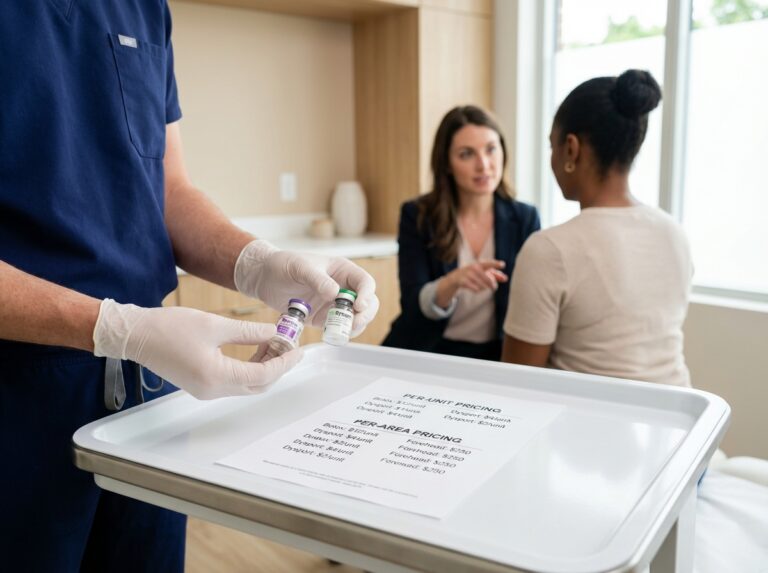
Because the dosage required for hyperhidrosis (100 units) is much higher than for a forehead treatment (20–30 units), pricing structures often differ from standard cosmetic menus. You will generally encounter two pricing models in US clinics.
Per Unit Pricing
Some clinics stick to their standard per-unit rate. If a clinic charges $13 to $15 per unit, a standard 100-unit treatment will cost between $1,300 and $1,500. This is transparent, but it can get expensive quickly if you require a higher dose due to a larger surface area. Always ask if they offer a bulk rate for medical cases.
Flat Fee or Package Pricing
Many practices offer a flat fee specifically for the “Botox for hyperhidrosis” service. This is often more economical. Current market rates for 2025 typically land between $1,000 and $1,500 for both underarms. However, in high-cost metropolitan areas or with board-certified dermatologists, this can range up to $2,500. Be wary of flat fees under $800; this often indicates the provider is diluting the product or using less than the recommended 100 units. The average Botox® treatment for hyperhidrosis costs $1,000 for both underarms, but variability is high.
Navigating Insurance Coverage
Unlike lip filler, severe sweating is a medical condition. Many insurance plans cover Botox for hyperhidrosis, but the approval process is strict. You generally cannot just walk in and hand over your insurance card. Most insurers require “step therapy,” meaning you must provide documentation that you tried and failed conservative treatments like prescription-strength antiperspirants (e.g., Drysol) first.
Questions to Ask Your Insurer
Before booking, call your provider and ask about coverage for CPT code 64653 (Chemodenervation of eccrine glands; axillae). Ask if you need a “prior authorization” and what your out-of-pocket costs will be. Even with coverage, you might face a “buy and bill” scenario where the clinic buys the Botox, and you reimburse them until the insurance pays out, or you might be responsible for a high deductible. Some clinics do not deal with insurance at all and will only provide you with a “superbill” to submit for reimbursement yourself.
Annual Cost Projections
When budgeting, you need to look at the annual cost, not just the single appointment fee. Since hyperhidrosis is a chronic condition, one-off treatments are rarely enough.
| Frequency | Treatments/Year | Est. Annual Cost (Self-Pay) |
|---|---|---|
| Every 9 months | 1.3 | $1,300 – $1,950 |
| Every 6 months | 2 | $2,000 – $3,000 |
| Every 4 months | 3 | $3,000 – $4,500 |
Side Effects and Follow-Up
The downtime is minimal. You can usually go back to work immediately, though you should avoid intense exercise or saunas for 24 hours to prevent the product from migrating. Common side effects include minor bruising, tenderness at the injection sites, or temporary muscle weakness in the hands (rare, but possible if the injection is placed too deep). Compensatory sweating—where you sweat more elsewhere—is very rare with Botox compared to surgical options. Your provider should schedule a follow-up at two weeks to assess the dryness and perform a touch-up if any “hot spots” were missed.
How clinics set prices for Botox, fillers and CoolSculpting and how to compare quotes
Understanding why one clinic quotes $300 while another quotes $900 for what seems like the same service can be frustrating. It often feels arbitrary, but the price tag usually reflects a combination of hard costs and provider expertise. When you are shopping for treatments, especially for medical concerns like hyperhidrosis or aesthetic tweaks, you need to look past the bottom line number to understand the value you are actually getting.
The Main Factors That Drive Clinic Pricing
Clinics operate like any other business, but with higher liability and regulation. The fee you pay covers much more than just the liquid in the syringe.
Provider Credentials and Experience
This is the biggest variable. A board-certified dermatologist or plastic surgeon will charge significantly more than a nurse injector or a physician assistant. You are paying for their years of medical school, residency, and specific anatomical knowledge. An experienced injector knows exactly how to place Botox to stop sweating without affecting your hand grip strength, or how to place filler safely away from arteries. In 2025, paying a premium for an expert is often an insurance policy against bad results.
Product Cost
The actual cost of the drug is high. Allergan (the maker of Botox) and Galderma (Dysport) raise their prices regularly. Clinics pay for these products by the vial. If a clinic offers a price that seems lower than the wholesale cost of the drug, that is a major warning sign. They might be using gray market products or over-diluting the solution.
Geographical Market and Overhead
Rent in a major metropolitan area like New York or Los Angeles drives prices up. A clinic in a high-end medical building has higher overhead than a med spa in a strip mall. This includes the cost of medical-grade equipment, liability insurance, and support staff. If the facility looks expensive, those costs are factored into your treatment fee.
Clinic Reputation and Demand
Supply and demand apply here. If a specific injector has a three-month waiting list and five-star reviews across the board, they do not need to compete on price. They charge for their time and the certainty of a good result.
Typical US Price Ranges for 2025
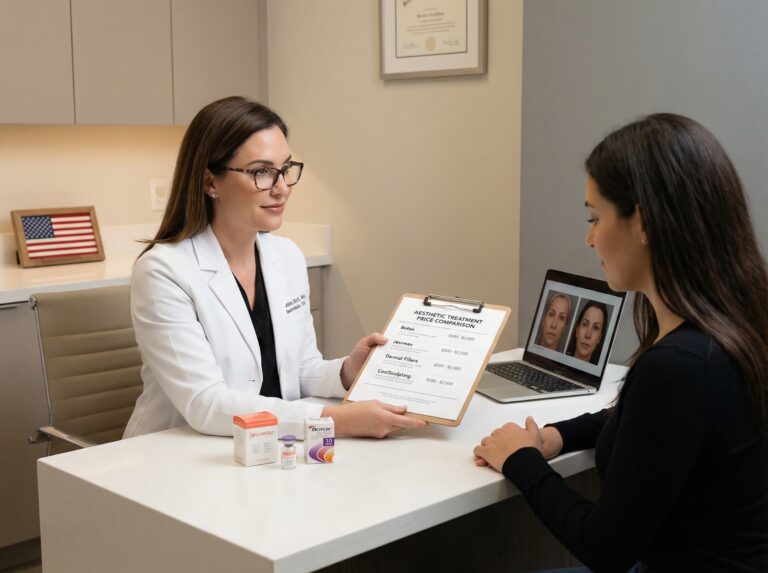
Use these ranges as a baseline when you start calling clinics. If a quote falls significantly below these numbers, ask questions. If it is significantly higher, ask what extra value is being provided.
| Procedure | Typical Price Range (USA) | Notes |
|---|---|---|
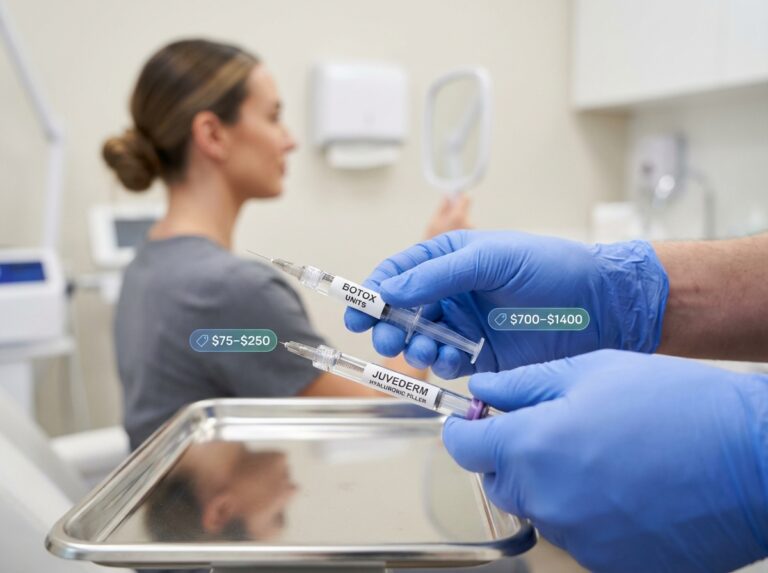
| Botox (Cosmetic) | $12 – $20 per unit | Varies by city. “Banked” units or memberships may lower this to $11-$13. |
| Botox (Hyperhidrosis) | $1,000 – $1,500 per treatment | Usually a flat fee for both underarms. Botox treatment for excessive sweating costs approximately $1,000-$1,500 depending on the dose required. |
| Dermal Fillers | $650 – $1,200 per syringe | Cheeks and jawlines often require 2+ syringes. Lips usually require 1. |
| CoolSculpting | $750 – $1,500 per cycle | “Per cycle” means every time the applicator is placed. Treating a full stomach might take 4 cycles. |
| Laser Hair Removal | $200 – $500 per session | Price depends on the size of the area (e.g., underarms vs. full legs). |
| Microneedling | $350 – $800 per session | Higher end of the range usually includes PRP (Platelet-Rich Plasma). |
Checklist for Requesting Quotes
Never book an appointment based on a website price list alone. Call the clinic or send a detailed inquiry. You want to avoid surprise “facility fees” or “consultation fees” that appear at checkout.
Questions to Ask Before Booking:
1. Is the price a flat fee or based on the number of units/syringes used?
2. Which specific brand of product do you use? (e.g., Botox vs. Xeomin, Juvederm vs. Restylane).
3. Who will be performing the injection? (MD, NP, PA, or RN).
4. Is there a separate consultation fee, and is it applied toward the treatment cost?
5. Do you charge a “facility fee” or “consumables fee” on top of the procedure price?
6. What is your policy on touch-ups? If the Botox doesn’t fully stop the sweating, is the follow-up free or discounted?
7. Can I see before-and-after photos of this specific provider’s work?
8. Do you accept insurance for hyperhidrosis, or can you provide a “superbill” for me to submit for reimbursement?
How to Compare Quotes Side-by-Side
When you are narrowing down your options, do not just look at the total dollar amount. Create a simple comparison sheet for yourself. You want to compare “apples to apples.”
The Comparison Fields
Write down the name of the three clinics you are considering. For each one, fill out these specific fields:
- Provider Level: Is it a doctor or a nurse?
- Unit Price vs. Flat Fee: For hyperhidrosis, a flat fee is often safer so you don’t get charged extra if you have a larger surface area.
- Total Estimated Cost: Ask for the “out the door” price.
- Follow-up Policy: This is critical. If Clinic A charges $1,000 but offers free touch-ups, and Clinic B charges $900 but charges full price for any extra units needed, Clinic A is the better deal.
- Consultation Fee: Is it refundable?
Red Flags to Watch Out For
Marketing in the aesthetic industry can be aggressive. Be skeptical of deals that seem too good to be true, because they usually are.
Unusually Low Unit Counts
Some clinics advertise a low package price for “underarm sweating” but cap the dose at 30 units total. As discussed in the previous section, effective treatment often requires 50 units per underarm (100 total). If they under-dose you, the treatment won’t work, and you will have wasted your money.
Vague Product Branding
If a clinic says they use “neurotoxin” but won’t say the brand name (Botox, Dysport, Xeomin), be careful. You have a right to know exactly what is being injected into your body. You can even ask to see the vial before they draw it up.
High-Pressure Sales Tactics
A medical professional should never pressure you into adding services you didn’t ask for. If you go in for sweat reduction and they start aggressively pushing lip fillers or expensive skincare memberships during the consult, it is a sign they prioritize sales over patient care.
Prices That Omit Key Services
Be wary of “procedure fees” that do not include the cost of the medicine, or “anesthesia fees” for simple numbing cream. Reputable clinics provide all-inclusive pricing.
Lack of Revision Policy
For treatments like Botox for hyperhidrosis, results can vary. A reputable clinic will usually have a policy to bring you back in two weeks to check the results. If a clinic has no interest in seeing you after they take your payment, look elsewhere.
Frequently Asked Questions
Will insurance cover Botox for hyperhidrosis?
Many private insurance plans and Medicare cover Botox injections for severe primary axillary hyperhidrosis, but approval is rarely automatic. Insurance companies typically classify this as a “step therapy” scenario. They require proof that you have tried and failed with less invasive treatments first, such as prescription-strength antiperspirants (like Drysol) or oral medications. If you jump straight to Botox without this history, your claim will likely be denied. Coverage usually includes the cost of the neuromodulator drug itself and the injection fee, though you may still be responsible for a copay or deductible.
Practical Tip
Start a “sweat journal” today. Keep receipts for clinical-strength antiperspirants and document the dates you used them with notes on their failure to control your symptoms. When you visit your doctor, ask specifically for a “Letter of Medical Necessity” that outlines your diagnosis code (usually L74.510 for axillary) and details your failed attempts with cheaper therapies. This documentation significantly improves your chances of approval.
How many units of Botox do I need for underarms?
Treating underarms requires significantly more product than treating a forehead or crow’s feet. The standard protocol for axillary hyperhidrosis is 50 units per underarm, totaling 100 units for a complete treatment. Some patients with larger surface areas or particularly overactive sweat glands may require up to 150 units total. Because the volume is high, paying a “per unit” price can get expensive quickly if the clinic charges their standard cosmetic rate of $12 to $15 per unit.
Practical Tip
Avoid clinics that only quote you a per-unit price for this procedure. Look for providers who offer a flat “hyperhidrosis package” fee. If a clinic charges $14 per unit, you would pay $1,400. However, many practices offer a flat rate between $1,000 and $1,200 for the full 100-unit treatment. Always clarify if the quote covers the standard 100 units or if there is an upcharge for extra product.
How long does the dryness last?
Botox temporarily blocks the chemical signals from the nerves that stimulate sweat glands. Most patients experience significant sweat reduction for 4 to 6 months. Some lucky individuals see results lasting up to 9 months, while others with very fast metabolisms might notice sweating return after 3 months. It is not a permanent cure. The effects wear off gradually, meaning you will notice moisture returning slowly rather than all at once.
Practical Tip
When budgeting, assume you will need two treatments per year. If you pay $1,000 per session, your annual maintenance cost is $2,000. Ask the clinic if they offer a “loyalty rate” for patients who book their next appointment within 6 months, as this can sometimes save you 10% to 15%.
What is miraDry and how do costs compare to Botox?
MiraDry is a non-surgical treatment that uses thermal energy to permanently eliminate sweat and odor glands in the underarm area. Unlike Botox, which requires ongoing maintenance, miraDry is often a “one and done” solution, though some patients require a second session. The average cost per session ranges between $1,500 and $3,500 depending on your location. While the upfront cost is higher than a single Botox session, it can be more cost-effective over three to five years since you stop paying for maintenance.
Practical Tip
Calculate the three-year horizon. If Botox costs you $2,000 annually, you spend $6,000 in three years. A single miraDry treatment might cost $2,500 total. However, be aware that insurance rarely covers miraDry, whereas they often cover Botox. If you are paying entirely out of pocket, miraDry usually offers better long-term value.
Is the injection process painful?
The underarm area is sensitive, but the pain is generally manageable. The provider uses a very fine needle to make 15 to 20 small injections in a grid pattern across each armpit. Most patients describe it as a series of sharp pinches. It is generally less painful than laser hair removal but more uncomfortable than facial Botox due to the number of injection points.
Practical Tip
Ask if the clinic provides topical numbing cream as part of the price. It needs to be applied 30 to 45 minutes before the procedure to be effective. Some clinics charge an extra $50 for numbing, while others include it. You can also ask for ice packs immediately before injections to numb the skin temporarily without the wait.
Are there cheaper alternatives if I cannot afford Botox?
Yes, there are several lower-cost interventions you should try. Prescription antiperspirants containing aluminum chloride (like Drysol) are the first line of defense and cost very little with insurance. Oral medications like glycopyrrolate or oxybutynin are systemic treatments that reduce sweating body-wide; these can cost as little as $15 to $20 per month. Another option is iontophoresis, a device that uses water currents to block sweat glands. You can buy a home device for around $400 to $950, which is a one-time expense.
Practical Tip
Check if your Flexible Spending Account (FSA) or Health Savings Account (HSA) covers iontophoresis devices. Many do with a doctor’s prescription. This allows you to pay for the device using pre-tax dollars, effectively lowering the cost by 20% to 30% depending on your tax bracket.
Should I choose a dermatologist or a med spa for injections?
While nurse injectors at med spas are often highly skilled at cosmetic Botox, hyperhidrosis is a medical condition. A board-certified dermatologist is more likely to understand the underlying causes of your sweating and can prescribe other medications if Botox fails. Furthermore, medical offices are better equipped to navigate the insurance authorization process compared to purely aesthetic med spas that operate on a cash-pay basis.
Practical Tip
If you choose a med spa to save money, verify that the injector has specific training in hyperhidrosis. Incorrect placement can lead to temporary muscle weakness in the hand or arm. Ask to see their “sweat test” protocol (using starch and iodine) to ensure they map the sweating area accurately before injecting.
What hidden complications could increase the cost?
The most common “hidden” cost is an incomplete result. Sometimes the standard 100 units are not enough to cover the entire sweating area, or the injector misses a patch of sweat glands. This results in breakthrough sweating shortly after treatment. If you need a touch-up, you will have to pay for the additional units used.
Practical Tip
Ask about the clinic’s revision policy during your consultation. A reputable provider will often offer a follow-up assessment two weeks later. Some may offer a discounted rate for touch-up units if the initial treatment was insufficient, while others will charge full price. Clarify this before you book.
Can I use different botulinum toxin brands to save money?
Yes. While Botox (OnabotulinumtoxinA) is the most well-known brand, competitors like Dysport, Xeomin, and Jeuveau work similarly. Dysport in particular tends to spread slightly more than Botox, which can actually be an advantage when treating a large surface area like the underarm. These alternatives are often priced lower than Botox. A vial of Dysport might cost the clinic less, allowing them to offer the treatment at a lower price point.
Practical Tip
When calling for quotes, ask, “Do you offer Dysport or Xeomin for hyperhidrosis, and is the price different?” You might find you can save $100 to $200 per treatment by being open to an alternative brand. The efficacy for sweating is comparable across the major FDA-approved neurotoxins.
Final recommendations and next steps
You have the data and the answers to common questions. Now you need a concrete plan to book your appointment without getting ripped off. Making a smart financial decision for hyperhidrosis treatment or aesthetic procedures requires looking past the bottom line number on a website. You need to verify exactly what that number covers.
The Essential Pre-Booking Checklist
Before you hand over your credit card or sign a treatment plan, go through this list. These items protect your wallet and your health.
-
Get Itemized Written Quotes
Never accept a verbal price estimate. Ask for a breakdown that separates the cost of the product from the provider fee and facility fee. You need to see exactly how many units of Botox or Dysport you are paying for. If you are looking at thermal treatments like miraDry, ensure the quote includes the cost of the anesthesia and the consumable bio-tip. -
Verify Units and Product Brand
Clinics sometimes advertise a low price per unit but use a diluted product or a cheaper neurotoxin brand while charging Botox prices. The average Botox® treatment for hyperhidrosis costs $1,000 for both underarms. If a quote is significantly lower, ask to see the vial before they draw it up. Confirm the specific brand name is written on your receipt. -
Confirm Who Performs the Procedure
The price should reflect the expertise of the injector. You should pay less if a nurse injector or physician assistant performs the treatment compared to a board-certified dermatologist or plastic surgeon. Verify their credentials and ask how many hyperhidrosis cases they treat monthly. -
Check Insurance and Documentation
Do not assume insurance will reject you. Many plans cover Botox for hyperhidrosis if you have documentation of failed topical treatments. Ask the clinic if they have a prior authorization specialist who can submit your medical records. This step alone can save you thousands of dollars a year. -
Calculate Annual Projections
A single treatment price is misleading. You need to know the annual maintenance cost. Botox typically lasts 4 to 6 months for sweating. Multiply the single session cost by 2 or 2.5 to understand your real yearly commitment. The average cost per session ranges between $1,500 and $3,500 for permanent solutions like miraDry, which might be cheaper in the long run compared to years of injections.
Step-by-Step Decision Process
Follow this workflow to find the best value provider in your area.
-
Research Three Local Clinics
Pick three providers with different business models. Choose one high-end dermatology practice, one reputable medical spa, and one plastic surgery center. This gives you a realistic range of the market rate in your specific city. -
Request Consultations
Schedule consultations with your top two choices. Ask specifically about their experience with sweat reduction. Many aesthetic clinics focus on faces and may not be experts in axillary injections or nerve blocking for hand sweating. -
Compare Total Expected Value
Look at the total package. A slightly more expensive clinic that includes a free follow-up touch-up appointment is often a better deal than a cheaper clinic that charges full price for every additional unit needed. -
Read Verified Reviews
Filter reviews for terms like “sweat,” “hyperhidrosis,” or “duration.” Ignore generic 5-star reviews about staff friendliness. You want to know if the results lasted and if the billing was transparent.
Realistic Cost Scenarios for 2025
To help you budget, here are three pricing tiers you will likely encounter. These examples cover Botox for hyperhidrosis and CoolSculpting, which is a common aesthetic benchmark for non-surgical body procedures.
| Scenario Tier | Botox for Hyperhidrosis (Both Underarms) | CoolSculpting (Per Cycle/Area) | What to Expect |
|---|---|---|---|
| Low Cost (Budget) | $800 – $950 | $400 – $600 | Often found at med spas running aggressive promos or using nurse injectors. High risk of upselling or diluted units. |
| Median Cost (Standard) | $1,000 – $1,300 | $750 – $850 | Standard pricing for reputable clinics. Includes follow-up assessment. The average cost for perspiration reduction is $1,193. |
| Premium Cost (High-End) | $1,500 – $2,000+ | $1,000+ | Board-certified MD injector in a major metro area. Price often includes premium facility fees and concierge service. |
Avoiding the Overpayment Trap
You can protect yourself from overpaying by being skeptical of deals that seem too good to be true. If a clinic offers Botox for sweating at $500, they are likely cutting corners on dosage. Under-dosing leads to results that wear off in two months instead of six, forcing you to pay for another treatment sooner.
Always favor documented value over the single cheapest price. An experienced provider who places the injections correctly will use fewer units to achieve a better result. The charge to inject 1 vial of either product is $800 in many standard practices, and paying for that expertise ensures safety and longevity.
Your goal is effective, long-lasting relief. By obtaining written quotes, verifying the product, and understanding the full annual cost, you take control of the transaction. Treat this as a business negotiation. You are the buyer, and you have the right to know exactly what you are purchasing.
References
- The Breakdown of Hyperhidrosis Surgery Costs – Thompson Tee — It is impossible to state the exact cost of hyperhidrosis surgery, but in the U.S. it has been reported as a range of $5,000 to 10,000 or more. Surgery costs …
- Cost of Hyperhidrosis Treatments and Insurance Coverage – Carpe — Treatment can be used for: Axillary sweating[12] · Cost: Around $3000 depending on location[12] · Insurance: Not covered by insurance[15] · Time it …
- How Much Does MiraDry Cost in 2024? – Texas Dermatology — The average cost per session ranges between $1,500 and $3,500, depending on location and the number of treatments required. This price reflects the lasting …
- Hyperhidrosis treatment to reduce sweating – Zinsser Plastic Surgery — The charge to inject 1 vial of either product is $800. If you find that the effect does not last very long, or you are still producing too much sweat, then we …
- The 7 Top Hyperhidrosis Treatments & How Much Each One Costs — Botox treatment for excessive sweating costs approximately $1,000-$1,500 for both underarms, and it is often covered by health insurance.
- How Much is Botox® for Hyperhidrosis? – Longwood Plastic Surgery — The average Botox® treatment for hyperhidrosis costs $1,000 for both underarms. You will find this cost fairly consistent among providers with …
- How Much Do miraDry Treatments Cost? – Krauss Dermatology — The current cost of a miraDry treatment in our office is approximatley $2,000. There are multiple factors that influence the total cost of your …
- How much does perspiration reduction cost? – The Aesthetic Society — You should discuss the anticipated costs with your surgeon before your treatment. The average cost for perspiration reduction is $1,193*.
- Cost of Hyperhidrosis | Official Site — These costs are hard to measure, but help to tell the whole story of the cost of hyperhidrosis, and to illustrate the value of effective treatments.
Legal Disclaimers & Brand Notices
The information provided in this article is for informational and educational purposes only and does not constitute professional medical advice, diagnosis, or treatment. Always seek the advice of a physician or other qualified health provider with any questions you may have regarding a medical condition or specific aesthetic procedure. Never disregard professional medical advice or delay in seeking it because of something you have read in this article.
All product names, logos, and brands mentioned in this text are the property of their respective owners. All company, product, and service names used in this article—including but not limited to Botox, Dysport, Juvederm, Restylane, and CoolSculpting—are for identification purposes only. Use of these names, logos, and brands does not imply endorsement, affiliation, or certification by the trademark owners.