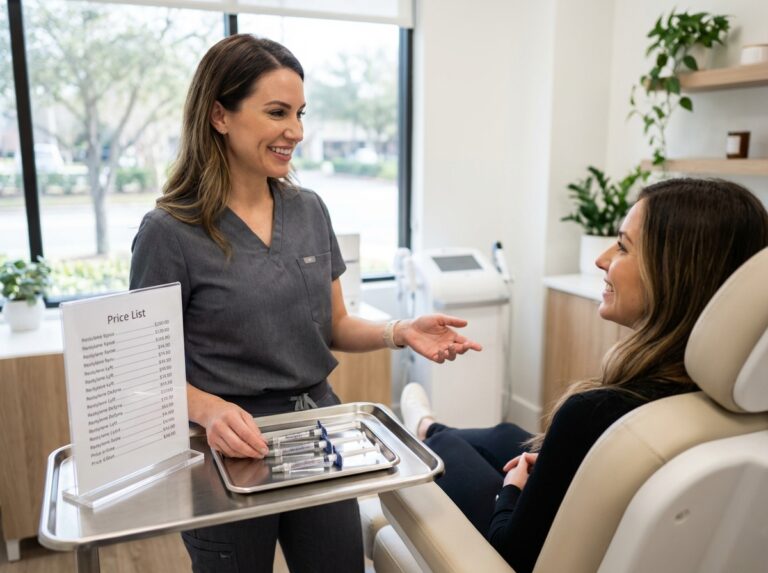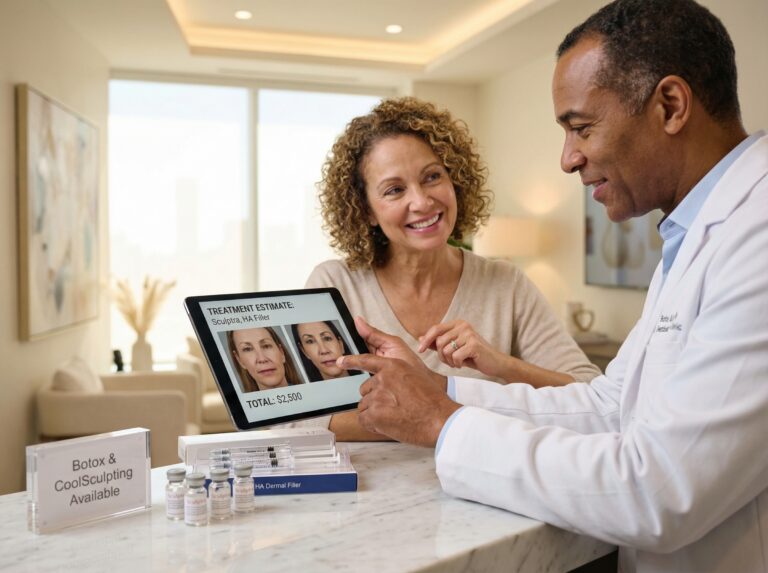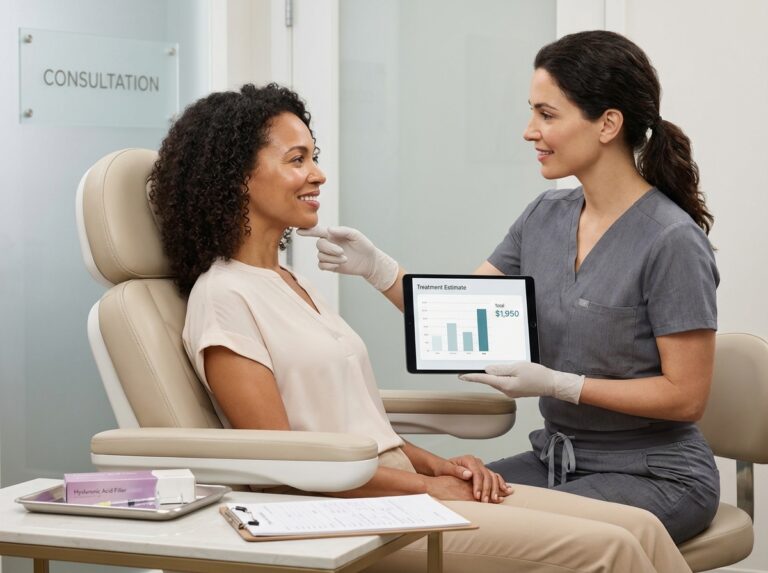
Dissolving hyaluronic acid fillers with hyaluronidase (commercially known as Hylase, Hylenex, and others) has become a critical procedure in aesthetic medicine—essential for both cosmetic corrections and medical emergencies. This article details the typical US costs for hyaluronidase treatment in 2025, explains the pricing models clinics use for services like Botox and fillers, and provides a framework to compare providers so you receive safe care at a fair price.
Understanding dissolving fillers and Hylase treatment
Hyaluronidase is a soluble protein enzyme that breaks down hyaluronic acid (HA) fillers. It functions by hydrolyzing the chemical bonds that hold the HA gel chains together. Once these bonds are cleaved, the body absorbs the resulting fluid naturally over the subsequent 24 to 48 hours. While the FDA has approved hyaluronidase for increasing the absorption of other injected drugs, using it to dissolve dermal filler is considered an off-label practice in the United States. Despite this status, it is the clinical gold standard for correcting filler complications.
Patients seek this treatment for distinct clinical reasons. The most common is aesthetic correction, such as overfilling (the “pillow face” look), asymmetry, or the migration of product into the upper lip border (the “filler mustache”). Persistent lumps or nodules that do not resolve with massage are also frequent indications. The most urgent indication is vascular occlusion, which occurs when filler accidentally enters or compresses a blood vessel. In these emergencies, hyaluronidase is not cosmetic; it is a medical necessity to restore blood flow and prevent tissue necrosis.
Timing, Dosing, and Filler Types
The timing of the intervention dictates the clinical approach. Immediate use occurs right after the initial injection if the provider notices blanching or an error. Delayed use happens weeks or months later, once swelling has subsided and the final result reveals migration or asymmetry.
Dosing is highly variable and depends on the specific filler product used. Softer fillers used in the lips (like Juvéderm Ultra or Restylane Kysse) tend to break down relatively easily. However, highly cross-linked products designed for structural lift—such as Juvéderm Voluma or Restylane Lyft—are engineered to be resistant to enzymatic breakdown. These thicker gels often require higher doses or multiple sessions to fully dissolve. While a single session may suffice for a small lump, complete reversal of a full syringe of structural filler often necessitates two or more visits. Most top-tier providers in 2025 prefer Hylenex (human recombinant hyaluronidase) due to its high purity and lower risk of allergic reaction compared to older animal-derived formulations.
Safety and Side Effects
Safety protocols are paramount. Some providers perform a skin patch test on the forearm before injecting the face to rule out hypersensitivity, particularly if using non-recombinant forms of the enzyme. The injection itself causes a stinging sensation, often described as more uncomfortable than the original filler injection. Common side effects include immediate swelling, redness, and bruising at the site.
A frequent patient concern is whether hyaluronidase dissolves natural hyaluronic acid. The enzyme can temporarily break down native HA in the surrounding tissue, potentially leaving the area looking slightly hollow or dehydrated for a few days. However, the body constantly regenerates its own hyaluronic acid supply, and tissue volume typically restores itself within one to two weeks.
Cost Breakdown for Hylase Treatment
Pricing for dissolving fillers is distinct from injection pricing. Unlike fillers, which are sold per syringe, dissolving is often priced by the session, the number of vials used, or the complexity of the correction.
| Treatment Type | Typical Price Range (2025) | What This Includes |
|---|---|---|
| Simple Dissolve | $200 – $600 | Single small area (e.g., one lump or minor lip migration). Usually requires 1 vial or less. |
| Complex Correction | $800 – $1,500 | Multiple areas, large volume removal, or resistant filler types. May include ultrasound guidance. |
| Emergency Vascular | $1,000 – $2,500+ | Immediate, high-dose intervention. Includes extended monitoring, multiple vials, and follow-up care. |
Hyaluronidase Costs vs. HA fillers generally show that a simple dissolve is less expensive than the initial filler syringe. However, costs accumulate quickly if multiple sessions are required. While RealSelf data indicates a consumer-reported average of around $351, this figure often reflects simple, single-vial treatments rather than complex reversals.
Factors Influencing Price
Several variables drive the final cost of treatment:
- Provider Credentials: A board-certified plastic surgeon or dermatologist typically charges a premium over a nurse injector. This fee reflects their advanced anatomical training, which is crucial for avoiding damage to natural tissue during the dissolution process.
- Ultrasound Guidance: Many specialist clinics now use handheld ultrasound to visualize the filler deposit beneath the skin. This ensures the enzyme is placed precisely into the filler pocket rather than healthy tissue. This technology adds to the facility fee and provider time.
- Number of Vials: Extensive filler migration requires more enzyme. If you are dissolving a large volume of product, one vial of Hylenex will not be sufficient. Each additional vial increases the material cost.
- Geographic Location: Prices are significantly higher in major metropolitan hubs. Hylenex treatment usually costs between $900 to $1,000 in high-end specialist clinics in cities like New York or Los Angeles.
Insurance and Out-of-Pocket Expectations
Patients should plan to pay for this procedure entirely out-of-pocket. Insurance companies classify filler dissolution as an elective cosmetic service, even if the filler is causing discomfort or aesthetic dissatisfaction. The only potential exception is a severe medical emergency requiring hospitalization (such as vision loss or necrosis), but the clinic-based portion of the treatment remains the patient’s responsibility.
If the original injector caused the issue, some clinics may offer to dissolve the filler for free or at a reduced rate as a courtesy. However, seeking correction from a new provider incurs their full standard rate. Treatment costs start at $250 in competitive markets for basic cases, but budgeting for a second session is prudent. Always request an itemized quote that includes the enzyme, the provider fee, and any necessary follow-up visits before booking.
How clinics set prices and how to compare costs
Transparent price lists are rare in aesthetic medicine. Most practices prefer an in-person consultation before discussing numbers, making it difficult for patients to budget. Understanding the underlying pricing models helps patients identify fair value and avoid hidden overcharges.
Common Pricing Models You Will See
Clinics use different methods to calculate the final bill. Clarifying the unit of measurement is essential.
Per Unit Pricing
This is the standard model for neurotoxins like Botox, Dysport, or Daxxify. The patient pays for every single unit injected. For example, a forehead treatment might require 20 units, while crow’s feet might require 24. This is generally the most transparent method, as you pay only for the exact amount of medication used.
Per Area or Flat Fee
Some clinics charge a set price for a “zone,” such as the forehead or glabella. While this simplifies billing, it can be disadvantageous for patients who require smaller doses. A patient needing only a light touch may end up paying the same flat rate as someone requiring a maximum dose.
Per Syringe
Dermal fillers are almost always priced by the syringe (typically 1.0 mL). If a patient requires only half a syringe for a lip touch-up, most clinics must still charge for the full unit. Due to sterility and safety regulations, leftover filler cannot be saved for another patient or stored for long periods.
Per Cycle or Applicator
Body contouring treatments like CoolSculpting are priced by the “cycle.” One cycle represents one hour of the machine running on a specific area with a specific applicator. Treating bilateral areas, such as both love handles, requires two cycles. Larger areas like the abdomen may require four or more.
Tiered Complexity Fees
This model applies heavily to dissolving fillers. A simple dissolve for a small, superficial lump falls into the lowest tier. A complex vascular emergency or a full facial reversal involving ultrasound mapping falls into the highest tier. The price covers not just the drug, but the provider’s expertise in managing the complication.
Typical US Aesthetic Costs in 2025
Inflation and rising medical supply costs have shifted prices upward. The table below provides a realistic range of current market rates across the United States.
| Treatment Type | Low End (Promo/Rural) | Typical Range | High End (Luxury/Metro) |
|---|---|---|---|
| Botox (Per Unit) | $10 – $12 | $14 – $18 | $20 – $25+ |
| HA Filler (Per Syringe) | $450 – $600 | $650 – $900 | $1,000 – $1,500 |
| Lip Filler (Total Treatment) | $400 | $750 – $950 | $1,200+ |
| CoolSculpting (Per Cycle) | $600 | $750 – $900 | $1,200+ |
| Hylase (Simple Dissolve) | $200 | $350 – $600 | $900+ |
| Hylase (Complex/Emergency) | $800 | $1,000 – $1,500 | $2,500+ |
Why Prices Vary: The Economics of Safety
Significant price disparities between clinics often reflect differences in overhead, technology, and safety investments rather than arbitrary markups.
Provider Credentials and Expertise
The primary cost driver is the injector’s level of training. A board-certified plastic surgeon or dermatologist commands a higher fee due to their extensive medical education and ability to manage severe complications. A nurse injector or physician assistant generally has a lower hourly rate. How Much Do Injectable Fillers Cost in 2025? highlights how provider experience directly correlates with the final bill.
Technology and Emergency Preparedness
Top-tier clinics invest in advanced safety equipment, such as high-frequency ultrasound devices to map facial anatomy before and during injections. They also maintain a robust stock of emergency medications, including multiple vials of Hylenex and epinephrine. These safety measures increase operating costs. A discount clinic may skip ultrasound guidance or stock minimal emergency supplies to keep prices low.
Location and Facility Overhead
Clinics in high-rent districts like Manhattan or Beverly Hills pass their real estate costs to the patient. A medical spa in a suburban location typically has lower overhead. While a higher price does not guarantee better results, it often reflects the cost of operating a fully equipped medical facility versus a basic treatment room.
Hidden Costs to Watch For
The advertised price is rarely the final amount paid. Patients should inquire about potential additional fees prior to booking.
Consultation Fees
Many high-end practices charge a consultation fee ranging from $100 to $300. This fee is often applied as a credit toward treatment if the patient proceeds, but it is forfeited if they choose not to book.
Deposits and Cancellation Policies
Clinics enforce strict cancellation policies to protect their schedule. Patients typically pay a deposit of $50 to $200 to secure an appointment. Canceling within 24 to 48 hours usually results in the loss of this deposit.
Aftercare and Revisions
It is vital to ask if follow-up visits are included in the initial price. Some clinics charge for the two-week assessment. Furthermore, if the result requires a “tweak” or additional product, the patient usually pays for the extra units or syringe.
Dissolving Complications
Correcting a result is a separate financial commitment. How Much Does Hyaluronidase Cost? data suggests that fixing a mistake can cost as much as, or more than, the original filler. While some clinics offer complimentary dissolving for their own work, most charge full price to correct the work of outside injectors.
Promotions and Package Deals
“Bank your Botox” memberships or “buy 2 get 1 free” filler deals can lower the per-unit cost but require a significant upfront payment. Patients should be cautious with package pricing that obscures the unit cost. For example, a “$500 lip flip” may seem attractive until calculated backward; if only 4 units of Botox were used, the effective cost is $125 per unit. Always calculate the per-unit price to ensure the deal offers genuine value.
Step-by-Step Checklist for Comparing Clinics
Use this checklist when researching providers to ensure a direct comparison of value and safety.
- Request an Itemized Quote
Ask for the price per unit or per syringe rather than a generic “lip filler price.” Confirm which specific brand will be used, as premium products like Restylane Kysse cost more than older formulations. - Verify Credentials
Confirm the injector’s licensure (MD, DO, NP, PA, or RN) via the state medical board website. Ensure there are no active disciplinary actions against their license. - Ask About Safety Protocols
Ask specifically: “Do you have hyaluronidase on site right now?” If the answer is no, or that they can order it if needed, do not book. Immediate access to the reversal agent is a non-negotiable safety standard. - Check for Ultrasound Availability
Inquire if the clinic uses ultrasound guidance for high-risk areas like the nose or glabella. This technology is becoming the standard of care in 2025 for preventing and managing complications. - Clarify the Revision Policy
Ask what the financial policy is for asymmetry or lumps. Will the clinic dissolve it for free, or will they charge for the enzyme and provider time? Get this policy in writing. - Calculate Total Out-of-Pocket
Factor in the consultation fee, treatment cost, and travel expenses. A clinic with a lower sticker price located 40 miles away may ultimately cost more in travel time and fuel. - Read Reviews for “Fixing”
Search patient reviews for keywords like “dissolved,” “fixed,” or “emergency.” A provider who handles complications with care and professionalism is often safer than one who only showcases perfect results.
Frequently Asked Questions
While price lists provide a baseline, the logistics of dissolving filler involve specific clinical nuances. This section addresses the practical concerns patients raise most often in 2025, based on current medical standards.
Can hyaluronidase dissolve permanent fillers?
No. Hyaluronidase is an enzyme specific to hyaluronic acid. It has no effect on calcium hydroxylapatite (Radiesse), poly-L-lactic acid (Sculptra), or permanent silicone injections. If a patient has a non-HA filler complication, the treatment plan is entirely different and may involve steroid injections or surgical excision. It is critical to inform the provider of the exact product history before treatment begins.
How many sessions will I need to dissolve filler?
One session is often sufficient for small lumps or recently injected filler. However, complex cases involving older filler or highly cross-linked products (like Juvéderm Voluma) are more resistant to the enzyme. These products often require two or three sessions to fully break down. Experienced injectors typically prefer a staged approach, dissolving small amounts incrementally to avoid removing too much volume at once. Patients should budget for at least two visits when treating large areas like the lips or cheeks.
Is a skin test needed before treatment?
Many safety-focused clinics perform a patch test, injecting a minute amount of the enzyme into the arm and waiting 20 minutes to check for a reaction (such as a red welt). While not a legal requirement in every state, it is a hallmark of a responsible clinic, especially when using non-human recombinant forms of the enzyme. Patients with a history of bee sting allergies must disclose this, as some older hyaluronidase formulations share enzymatic properties with bee venom.
How long before I can re-fill after dissolution?
Patients cannot receive new filler on the same day as the dissolving treatment. The active enzyme would immediately break down the new product. Furthermore, the tissue requires time to heal and for inflammation to subside. Most experienced injectors recommend a waiting period of at least two weeks. This ensures the canvas is stable and swelling has fully resolved before investing in new filler.
What are the risks and side effects?
Beyond the desired reduction in volume, common side effects include swelling, bruising, and tenderness at the injection site. A specific concern is the temporary breakdown of natural hyaluronic acid, which can leave the treated area looking slightly indented or dehydrated. The body typically replenishes its own HA within a few days to weeks. Allergic reactions, while rare, are the most serious risk and can range from hives to anaphylaxis. This is why patients must remain in the clinic for observation immediately following the injection.
Will clinics have hyaluronidase on hand during filler procedures?
They absolutely should. Possession of hyaluronidase is a mandatory safety standard for any injector. It is the only antidote for vascular occlusion, a rare but severe emergency where filler blocks a blood vessel. Patients are encouraged to ask to see the vial before their procedure starts; a reputable provider will be willing to demonstrate their preparedness.
Final recommendations and next steps
Deciding to dissolve dermal filler is often more stressful than the initial decision to get injected. Patients are frequently dealing with an aesthetic result they dislike or a physical complication, and the financial weight of correcting it adds another layer of anxiety. The goal of this final section is to provide a concrete strategy for navigating the market, ensuring safety without overpaying.
Prioritize Safety Over the Lowest Price
The most dangerous mistake patients make is treating hyaluronidase as a commodity. It is not a simple eraser; it is a potent enzyme that requires precise dosing to break down hyaluronic acid without compromising natural tissue quality.
There is a massive price gap in the market. A local med spa might offer a quick dissolve for $200, while a board-certified specialist charges $1,000 for the same service. The difference usually lies in expertise and technology. High-end clinics utilizing ultrasound guidance can visualize exactly where the old filler sits, preventing the accidental dissolution of natural collagen. Hyaluronidase Costs vs. HA fillers usually compare favorably, but correcting a botched dissolution is far more expensive than doing it correctly the first time.
Red Flags to Watch For
Patients can identify high-risk clinics before booking by watching for these warning signs:
The “Starts At” Trap
Many clinics advertise a low entry price, such as $99 or $150, to attract clients. However, this often covers only a test dose or a fraction of a vial. Once the patient is in the chair, the actual cost for a therapeutic dose can triple. Always ask for the “typical” total cost for the specific issue rather than the starting price.
No On-Site Enzyme
Some injectors do not keep hyaluronidase in stock, ordering it only when a patient requests a reversal. This is a major safety violation. If a vascular occlusion occurs, treatment must be immediate. A clinic without a fully stocked crash cart is unsafe for any injectable procedure.
Reluctance to Itemize
If a clinic refuses to provide a written breakdown of the quote, it is a red flag. A lump sum can hide inflated fees for facility use or unnecessary add-ons. Transparency is essential.
Questions to Ask During Consultation
Bring this list to the consultation. The provider’s answers will reveal their ethics and skill level.
| Question | What You Want to Hear |
|---|---|
| “Do you have Hylenex or hyaluronidase in the fridge right now?” | “Yes, we always keep it fully stocked for emergencies and reversals.” |
| “How many sessions do you think I will need?” | “It depends on how the filler reacts, but we should plan for at least two visits to be safe and conservative.” |
| “What happens if I have an allergic reaction?” | “We have an emergency protocol, epinephrine, and staff trained to manage anaphylaxis immediately.” |
| “Is ultrasound guidance included in this price?” | “Yes” or “No, that is an additional fee,” but the pricing should be transparent. |
| “Will you dissolve all the filler or just the problem area?” | “We aim for a targeted dissolve to preserve your natural volume as much as possible.” |
Budgeting for the Full Process
Patients must be financially prepared for the reality that dissolving filler is a multi-step process.
Plan for Multiple Rounds
Stubborn fillers like Juvéderm Vycross products often resist the first round of enzyme. A patient might see a 50% improvement after the first visit and require a second or third session to complete the correction. If the quote is $600, budgeting $1,200 provides a safety net.
Factor in Refilling
Once the old filler is removed, the skin may appear deflated or loose. Many patients choose to refill the area with fresh product after the two-week healing period. This means paying for the dissolution plus the cost of new filler. Average Cost: $675 to $775 per syringe for products like Restylane Kysse is a reasonable baseline for the refill budget.
Emergency Funds
If dissolving is required due to a medical complication, check if insurance covers any portion of the care. While they typically do not cover the enzyme itself, they might cover treatment for secondary infections or tissue necrosis if the situation is severe.
By verifying credentials, demanding transparency, and planning for the total cost, patients can move from being passive recipients to informed consumers, protecting both their physical appearance and their finances.
References
- Discover Hyaluronidase Costs: What You Need to Know — Hyaluronidase Costs vs. HA fillers cost between $300 and $1,000 per syringe, depending on the brand and formulation used. Other types of filler treatments are …
- How Much Do Injectable Fillers Cost in 2025? – Spa26 — The average cost of injectable fillers ranges from $500 to $1,500 per syringe, depending on the product and the treatment area. Several factors …
- How Much Does Hyaluronidase Cost? – RealSelf.com — Hyaluronidase costs $351 on average, according to 214 reviews by RealSelf members; the price of your unique treatment can range from as little …
- Hyaluronidase Overview: Cost, Recovery, Before & After | AEDIT — The average cost of a hyaluronidase is $100 to $1,500. The actual cost of the procedure will vary by location, board certified dermatologist or …
- Myth vs Fact: The Truth About Dissolving Filler – Mabrie Facial Institute — Hylenex treatment usually costs between $900 to $1,000. However, the cost of your treatment varies depending on your needs and your Injector's …
- Restylane Cost Per Vial: 2025 Ultimate Guide – ProMD Health — Understanding What You'll Pay for Restylane Treatments · Average Cost: $675 to $775 per syringe (1.0mL) · Price Range: $400 to $900 depending on product type and …
- Cost to Dissolve Dermal Filler: Everything You Need to Know — It costs anywhere from $0 to $500 to dissolve hyaluronic acid based filler. The exact amount depends on the cost of the active ingredient in the procedure.
- Lip Filler Cost 2025: 10 Powerful Facts & Best Prices — A lip flip typically runs $175-$300, while lip fillers range from $500-$1,000+ per treatment. That's quite a gap in your lip filler cost budget. Longevity is …
- Filler Dissolver in Webster, TX – Clear Lake Dermatology — Treatment costs start at $250, depending on the amount of dissolver used and the type and volume of filler in the area. Your injector will carefully evaluate …
Legal Disclaimers & Brand Notices
The content provided in this article is for informational purposes only and does not constitute medical advice, diagnosis, or treatment. Always seek the advice of a qualified physician or other licensed healthcare provider with any questions you may have regarding a medical condition or procedure. Never disregard professional medical advice or delay in seeking it because of something you have read on this website.
All product names, logos, and brands mentioned in this article are the property of their respective owners. These include, but are not limited to:
- Botox, Juvéderm, and CoolSculpting (Allergan Aesthetics/AbbVie)
- Dysport and Restylane (Galderma)
- Sculptra and Radiesse (Merz Aesthetics)
Use of these names, logos, and brands does not imply endorsement, affiliation, or certification by the trademark owners.