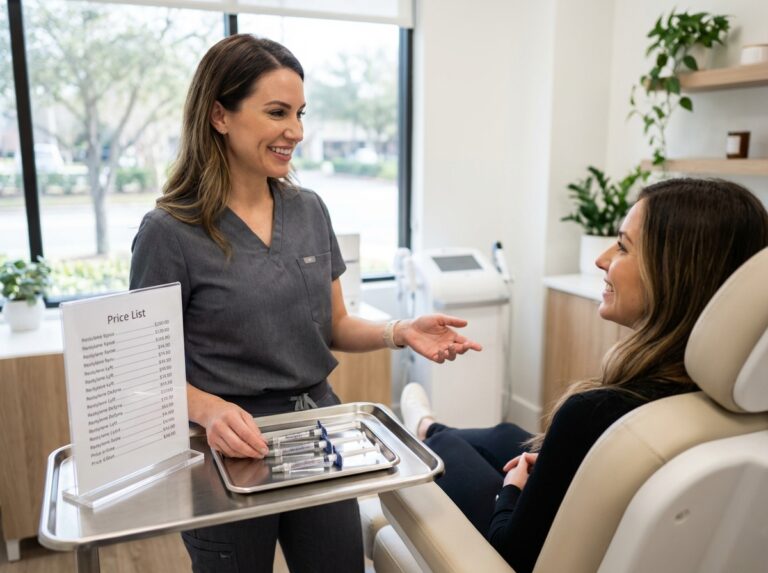
This article breaks down under-eye filler pricing for tear trough treatment and shows how to compare aesthetic clinic prices for Botox, fillers, CoolSculpting and other non-surgical procedures in the USA. Learn the factors that drive costs, typical price ranges in 2025, and practical steps to calculate total out-of-pocket expenses so you can choose a safe, effective provider without overpaying.
Understanding tear troughs and what under-eye fillers treat
The tear trough is a complex anatomical region that requires a deep understanding of facial structure before any treatment begins. Clinically, this area is defined as the nasojugal groove. It starts at the inner corner of the eye and extends diagonally outward across the upper cheek. This groove is formed by the attachment of the orbicularis oculi muscle to the bone of the orbital rim. When this attachment is tight or the surrounding tissues lose volume, a visible depression appears. This hollow creates a shadow that many people mistake for dark circles or permanent exhaustion.
Genetics often dictate the depth of this groove from a young age. Some individuals have a natural lack of bone support in the midface, which makes the tear trough visible even in their twenties. However, aging is the primary driver for most patients. As we age, the skin loses collagen and becomes significantly thinner. The fat pads that once provided a smooth transition between the lower eyelid and the cheek begin to shrink or shift downward. In some cases, the fat behind the eyelid can bulge forward. This is known as fat herniation. It creates a puffiness that makes the adjacent hollow look even deeper.
Determining whether a patient needs filler or surgery is a critical step in the consultation process. Hyaluronic acid fillers are excellent for correcting true volume loss. They fill the valley to level it with the surrounding hills. If a patient has significant skin laxity or large fat bags, fillers might actually make the problem worse by adding more weight to the area. In those instances, a lower blepharoplasty is the standard recommendation. This surgical procedure involves removing or repositioning fat and tightening the skin. While under-eye rejuvenation costs for surgery are higher, the results are much more durable. Fillers remain a popular alternative for those with mild to moderate hollowing who want to avoid the operating room.
The choice of product is vital because the skin in this area is incredibly delicate. Practitioners typically choose low-viscosity hyaluronic acid fillers. These products are thin and have low water absorption, which prevents the puffy look that can occur with thicker gels. Brands like Restylane Eyelight and Juvederm Volbella are frequent choices for this purpose. They integrate smoothly into the tissue without creating a heavy appearance. Most treatments require between 0.5 and 1.0 mL of product per side. Some patients with deeper hollows might need up to 2.0 mL total. It is often better to under-fill during the first session and add more later to avoid over-correction.
Injection technique is another factor that separates a good result from a poor one. There are two primary methods used by professionals today. Some injectors use a traditional sharp needle to place small droplets of filler directly onto the bone. This is known as the supraperiosteal technique. It keeps the filler deep under the muscle to prevent it from being visible. Other providers prefer using a blunt-tipped cannula. A cannula requires only one small entry point and slides through the tissue without cutting blood vessels. This significantly reduces bruising and increases the safety of the procedure. Regardless of the tool, the goal is to place the filler beneath the orbicularis muscle to ensure a natural look.
The efficacy of these treatments is well-documented in clinical literature. Most patients see an immediate improvement in the brightness and smoothness of their under-eye area. Results typically last between 9 and 18 months because there is very little muscle movement in this specific spot to break down the filler. According to data from the American Society of Plastic Surgeons, patient satisfaction rates for hyaluronic acid injections remain high. Recent surveys indicate that over 90 percent of patients are happy with their results when treated by an expert. However, the under-eye area has a higher risk profile than other parts of the face.
Common complications include localized bruising and swelling that can last for a week. A more specific issue is the Tyndall effect. This happens when filler is placed too close to the surface. The light reflects off the clear gel and creates a persistent bluish tint under the skin. Lumps can also occur if the filler is not distributed evenly. The most severe complication is vascular compromise. This happens if the filler accidentally blocks a blood vessel. Because of these risks, the experience of the injector is the most important factor in your safety. A skilled provider knows how to navigate the complex network of vessels around the eye.
The cost of 1ml dermal filler for this area often reflects the high level of skill required for these precise injections. The technical difficulty of working near the eye and the specialized safety precautions taken by top-tier providers are major drivers of the final price.
How clinics price under-eye fillers and typical US price ranges
Understanding how clinics set their rates helps you spot a fair deal. Most offices in the United States use a per-syringe pricing model for tear trough treatments. This means you pay for the entire 1ml of product even if your anatomy only requires a fraction of it. It is the most common way to bill for hyaluronic acid fillers. Some high-end boutiques prefer a per-area pricing structure. They charge a flat fee for the result. This model covers whatever amount of product the injector deems necessary to fix the hollows. You might also encounter flat session fees. These are common in clinics that focus on quick turnovers.
Provider-tier pricing is another major factor in your final bill. A medspa injector with basic certification will usually cost less than a nurse practitioner. A board-certified plastic surgeon or dermatologist will charge the highest rates. You are paying for their years of specialized medical training. They have a deeper knowledge of facial nerves and blood vessels. This expertise is vital for the under-eye area because the skin is very thin. Some clinics offer package pricing. These bundles might include the initial injection and a follow-up touch-up a few weeks later.
The sticker price of the filler is only one part of the total. Clinics have significant product acquisition costs. They must buy the filler directly from manufacturers like Galderma or Allergan. Clinic overhead is another big component. This includes the cost of the medical facility and the support staff. You are also paying for the facility fees and the specialized tools used during the procedure. Many top-tier injectors use a cannula instead of a traditional needle. Cannulas are blunt-tipped tubes that can reduce the risk of bruising or vascular issues. They cost more for the clinic to purchase than standard needles.
Numbing agents or local anesthesia are often included but sometimes show up as extra charges. You should also consider the cost of follow-up visits. A good clinic will want to see you two weeks after the injection to check the results. Complication management is a hidden cost that many people overlook. If you have a reaction or a lump, the clinic needs to have hyaluronidase on hand to dissolve the filler. This medication is expensive. High-quality clinics factor the cost of safety protocols into their base prices.
In 2025, geographic location remains a primary driver of cost. Major metropolitan areas like New York City or Los Angeles have the highest prices. You might pay $1,500 for a single syringe in a Manhattan office. The same treatment in a smaller market in the Midwest or cities like Dallas might range from $600 to $1,000. This variation reflects the local cost of living and the rent for medical office space. Seasonal promotions can help lower these costs. Many clinics offer discounts during the holidays or through membership programs. These memberships often require a monthly fee but provide lower per-unit prices for Botox and fillers.
Supply chain shifts and product innovations also change the market. New brands often enter the market with premium pricing. Fillers specifically designed for the eyes often cost more than general-purpose gels. According to data from the American Society of Plastic Surgeons and recent clinic surveys, prices have remained steady but high. You can find more details on these trends in this filler pricing guide which tracks 2025 averages.
Typical US Aesthetic Procedure Price Ranges for 2025
- Tear Trough Filler Total Treatment. $800 to $2,500 per session
- Hyaluronic Acid Filler. $600 to $1,500 per syringe
- Botox. $10 to $25 per unit
- Botox per Treatment Area. $150 to $700
- CoolSculpting. $600 to $1,500 per cycle
These figures are based on national averages from RealSelf data and ASPS reports. It is important to verify these numbers with local clinic price lists in your specific city. A syringe of Restylane Eyelight might be priced differently than a syringe of Juvederm Volbella. Some injectors prefer one brand over another for its specific lifting properties. This preference can alter your quote.
Always ask if the price includes the consultation fee. Some doctors apply the consultation cost toward your treatment while others keep it as a separate charge. You should also check if there are taxes or medical waste fees added at the end. These small additions can push a $1,000 treatment closer to $1,200. Understanding these layers of pricing ensures you are not surprised when it is time to pay. Knowing the components of the bill allows you to compare quotes accurately between different providers. This knowledge leads directly into how you can calculate your own total out-of-pocket costs.
Calculating your total cost and practical tips to avoid overpaying
Finding the real price of tear trough filler takes more than a quick look at a clinic website. Most offices list a base price for a single syringe of product. That number rarely covers the full amount you will pay at the front desk. To get an accurate estimate, you need to ask for a complete breakdown before you schedule your appointment.
Ask for an itemized list that includes these specific details.
- The specific brand of filler. The size of the vial.
- The total number of syringes the injector expects to use.
- The medical credentials of the person performing the injection.
- The estimated time for the procedure.
- Office or facility fees.
- Charges for topical numbing. Local anesthesia.
- The policy for follow up visits. Revision costs.
- Sales tax for your specific state.
- Costs for recommended aftercare products.
A clear revision policy is vital for your budget. Some clinics include a two week touch up in the initial price. Others charge a full office visit fee. They might even charge for a half syringe of product. If the filler settles unevenly, you do not want a massive bill to fix the result. Get this policy in writing before the first needle touches your skin.
Imagine a clinic in a major city quotes you a price. The sticker price might look acceptable, but the final bill can be a surprise. Here is how a typical quote might look in late 2025.
| Expense Item | Estimated Cost |
| Hyaluronic Acid Syringe (1.0 ml) | $850 |
| Expert Injector Facility Fee | $125 |
| Topical Numbing Cream | $35 |
| State Sales Tax (Estimated 8 percent) | $81 |
| Total Out of Pocket | $1,091 |
This total does not include a potential revision fee. If you need a second syringe to achieve the desired look, your cost could double. Many patients require between one and two syringes for a complete correction. You can find more details on these ranges in this Filler Cost in 2025: Prices by State, Brand, and Treatment Area guide.
You can find ways to lower the cost without cutting corners on safety. Ask about single syringe pricing if you only have mild hollowing. Some high end clinics try to sell a two syringe minimum. If your anatomy only requires 0.5 ml per side, paying for a second syringe is unnecessary. You might also save by combining treatments. Booking Botox for crow’s feet with your filler often results in a bundle discount. Look for providers who offer transparent pricing on their websites. Many reputable offices now use financing or medical credit cards to help patients manage the cost over several months. Timing your treatment around seasonal promotions can also save you hundreds of dollars.
Be careful if a price seems too low. Very cheap filler often means the clinic is using old product. They might be skipping safety steps. Watch out for these warning signs.
- Vague answers about the product brand.
- No visible medical credentials. No licenses shown.
- Pressure to buy three syringes immediately.
- No clear plan for medical emergencies.
- Refusal to show before and after photos of their own work.
During your 2025 consultation, ask specific questions to ensure you are getting value. Ask how many tear trough procedures the injector performs each week. Inquire about the specific type of cannula they use. Check if they have hyaluronidase on hand to dissolve the filler if a complication occurs. You should always verify a provider through your state medical board website before booking. These databases show if a provider has active licenses. They show past disciplinary actions. A provider with a clean record might charge more. They are less likely to cause a complication that costs thousands to repair.
Recent consumer surveys show that patients who research credentials report higher satisfaction. They have fewer costly revisions. According to 2025 price data, the average cost for a tear trough session in major metro areas has risen by five percent over the last year. This makes calculating the total cost even more important for your personal budget. Focus on the expertise of the injector rather than the lowest price per syringe. A skilled injector uses less product to get a better result. This often makes the more expensive provider cheaper in the long run.
Frequently Asked Questions
How much does tear trough filler usually cost in the USA?
In the United States, the price for a single syringe of under-eye filler in 2025 usually falls between $600 and $1,500. Major cities like New York often see prices at the higher end of that range. Smaller markets might stay closer to $600. The national average for hyaluronic acid fillers sits around $794 per syringe according to recent data. You should expect to pay more in coastal metro areas because of higher overhead costs. Some clinics in Dallas or Chicago might offer lower rates. It is common to see a total session cost between $1,000 and $2,000 for both eyes. This range covers the product, the injector’s time, and the facility fees. You can find more details on regional variations in this Filler Cost in 2025: Prices by State, Brand, and Treatment Area guide.
Verify these 2025 price ranges against current ASPS reports, local clinic lists, and RealSelf trending data.
How many syringes will I need and why?
Most people need one or two syringes for a full treatment. This volume allows the injector to fill the hollow space under both eyes. If you have very deep tear troughs, you might require more product to see a smooth result. Using too little filler often leads to an unfinished look. The under-eye area is delicate. Injectors often start with a conservative amount. They might use 0.5 mL per side for mild hollowing. They might use a full 1.0 mL per side for moderate cases. This precision helps avoid a puffy or unnatural appearance. Your specific anatomy determines the final count. A skilled provider will explain why they chose a specific volume during your consultation.
Confirm typical syringe counts for tear troughs using 2025 clinical guidelines and provider websites.
Can tear trough filler be combined with Botox or other treatments the same day?
You can get Botox and filler during the same appointment. Many people choose to treat crow’s feet with Botox while filling the tear troughs. This combination addresses different types of wrinkles at once. It can save you time. It sometimes reduces the total facility fee. Some patients also combine filler with laser treatments or skin tightening. You should discuss the order of treatments with your provider. They will ensure that one procedure does not interfere with the results of another. Combining services is a common way to achieve a full facial rejuvenation in a single visit.
Check 2025 safety protocols for same-day multi-treatment procedures and bundle pricing models.
How long do results last and what are maintenance costs?
Results from hyaluronic acid fillers under the eyes typically last between 9 and 18 months. Your body slowly absorbs the product over time. To keep the look, you should plan for maintenance every year. This means your annual cost will likely match the price of one or two syringes. Factors like your metabolism and the specific product used affect longevity. Some newer fillers are designed to last longer in high-movement areas. You can read more about expected durations in this Dermal Fillers Cost In 2025 overview. Regular touch-ups can prevent the hollows from returning completely. This approach often requires less product during follow-up visits.
Verify 2025 longevity data for Restylane Eyelight and Juvederm Volbella against recent manufacturer studies.
Can filler be dissolved if I do not like it and what does that cost?
If you are unhappy with the results, the filler can be dissolved using an enzyme called hyaluronidase. This process works quickly to break down the hyaluronic acid. Most clinics charge a separate fee for this service. The cost can range from $300 to $600 per session. You might need more than one session to remove all the product. Dissolving is useful if the filler was placed too superficially. It also helps if you experience the Tyndall effect, which is a bluish tint under the skin. It is a safety net that makes hyaluronic acid fillers a popular choice for the under-eye area.
Research 2025 costs for hyaluronidase injections at aesthetic clinics and check for inclusive revision policies.
Will insurance ever cover under-eye filler or complications?
Health insurance does not cover under-eye filler because it is a cosmetic procedure. Even if you have complications like swelling or lumps, you will likely have to pay for the corrective treatment yourself. It is important to have an emergency fund for these rare situations. Insurance companies view these treatments as elective. They do not consider them medically necessary. You should review the clinic’s policy on complications before you book. Some high-end clinics include the cost of managing minor issues in their initial price. Most do not cover major medical interventions through standard insurance plans.
Review 2025 insurance policy standards for cosmetic procedure complications and patient responsibility.
How do I verify injector credentials and clinic safety?
You should check the state medical board website to verify your injector’s license. Look for board-certified dermatologists or plastic surgeons. You can also use the American Society of Plastic Surgeons website to find qualified providers. Always ask to see before and after photos of their actual patients. A safe clinic will have a clean environment. They will have an emergency plan in place. They should be willing to show you the packaging of the product they use. This ensures the filler is authentic and FDA-approved. Credentials are more important than the lowest price when it comes to your face.
Cross-reference 2025 credentialing requirements with state medical board lookup tools and ASPS directories.
What are typical revision or touch-up policies and costs?
Many clinics offer a touch-up policy where they fix minor issues for free within the first month. Some providers include one follow-up visit in their initial package price. If you need more filler later, you will usually pay the standard syringe rate. Always get this policy in writing before your first injection. Some injectors prefer to under-fill and add more later. This method reduces the risk of over-filling. You should ask if the cost of the second visit is included. Clear communication about these policies prevents unexpected bills later on.
Survey 2025 clinic policies regarding revision and touch-up fees across different US regions.
Is it safe to choose the cheapest provider?
Choosing the cheapest provider is often risky. Low prices might mean the injector is using unapproved products. They might lack the necessary experience. The under-eye area is very sensitive. It has many blood vessels. A mistake here can cause serious issues like skin damage or vision problems. Experienced injectors charge more because they have invested in training. They use safer techniques like using a cannula instead of a needle. Saving a few hundred dollars is not worth the risk of permanent damage. You should prioritize safety and expertise over a bargain price.
Investigate 2025 reports on complications linked to low-cost or unlicensed providers and verify safety standards.
Final takeaways and next steps
Understanding the financial commitment of tear trough fillers requires looking beyond the initial price per syringe. While the immediate cost is a significant factor, the true value lies in the safety of the procedure and the longevity of the results. As of December 2025, the landscape for aesthetic treatments has shifted toward more transparent pricing, yet variations remain based on several critical drivers. The total investment for under-eye rejuvenation typically involves the cost of the hyaluronic acid product, the skill level of your injector, the specific technique used, the geographic location of the clinic, and any additional facility fees.
Your 5-Point Action Plan Before Booking
- Research three local providers and request written quotes. Comparing multiple clinics allows you to see the market rate in your specific neighborhood. Ensure the quotes include all potential fees like numbing or follow-up visits.
- Verify the credentials of the injector and review their before and after photos. Look for patients with similar skin tones and bone structures to yours. Confirm they are licensed by the state medical board.
- Ask the specific checklist questions regarding their experience with tear troughs. Inquire about how many procedures they perform weekly and what specific brands they recommend for thin under-eye skin.
- Check the complication and revision policies in writing. Ask what happens if you are unhappy with the results or if a lump forms. A reputable clinic will have a clear protocol for using hyaluronidase to dissolve filler if necessary.
- Schedule in-person consultations. A physical exam is the only way to determine exactly how many syringes you need. This visit also allows you to assess the cleanliness and professionalism of the facility.
Trusted Resources for Price Verification
To stay informed about current pricing and safety standards, consult authoritative organizations. The American Society of Plastic Surgeons (ASPS) provides annual reports on average procedural costs. RealSelf offers trending data and reviews from actual patients in your area, which can help you gauge local price fluctuations. State medical boards are the best place to verify that your chosen provider has a clean disciplinary record. Additionally, many established clinics now publish their price lists directly on their websites to encourage transparency.
Taking the time to compare costs and verify credentials ensures that you receive the best possible care. Informed consumers are less likely to fall for unrealistic discounts that compromise safety. Before you commit to an appointment, use these steps to confirm you are paying a fair price for expert results. Comparing your options is the most effective way to achieve a refreshed appearance without overpaying or risking your health.
Sources
- Filler Cost in 2025: Prices by State, Brand, and Treatment Area — In the United States, filler costs in 2025 typically range from $600 to $1,500 per syringe. Coastal metro areas often see higher prices due to …
- Under Eye Filler: Cost, Safety and What to Expect – All About Vision — The average cost of a hyaluronic acid filler typically used under the eyes is about $652 per syringe, with most patients requiring multiple …
- How Much Does Under Eye Filler Cost? A Complete Guide — The average cost of under eye fillers ranges from $400 to $1,200 per session, depending on several key factors: Clinic location and regional …
- Under Eye Rejuvenation Cost: 5 Surprising Factors in 2025 — Under-eye fillers: $600–$1,500 per syringe (typically $1,000–$2,000 total for both eyes). Eyelid surgery (blepharoplasty): $3,000–$6,000. Laser …
- Cost of 1ml Dermal Filler – Athena Plastic Surgery — The cost of 1ml dermal filler for under-eye treatment typically ranges from $700-$900, reflecting the advanced expertise required.
- Dermal Fillers Cost In 2025 – The Skiin Groupe — Under-Eyes: Tear trough fillers typically cost $700 to $1,500 per syringe. Jawline & Chin: Sculpting these areas can require multiple syringes. It can consist …
- The Best Under-Eye Fillers – Vibrant Skin Bar — The best fillers for the area under the eyes (also called the tear trough) … Cost – Around $500 to $625, depending on the size of the …
- Restylane Lyft Under Eyes Cost 2025: Unveiled – ProMD Health — Based on national averages, your restylane lyft under eyes cost for a complete treatment of both eyes will likely fall between $1,000 and $2,000 …