Considering CO2 laser resurfacing and trying to decide between Fraxel and CO2RE? This article compares costs, explains how clinics price non‑surgical procedures across the US, and shows how to compare quotes for Botox, fillers, CoolSculpting and more so you pay fairly and get safe, effective care.
How CO2 Laser Technologies Differ and Why That Affects Price
Understanding the price tag requires looking under the hood of these machines. The cost difference between Fraxel and CO2RE isn’t arbitrary. It stems from distinct wavelengths, the intensity of the beam, and the physical toll on the skin. These factors dictate how much time a provider spends with you and how much risk they manage during the procedure.
Technical Differences Between Fraxel and CO2RE
Fraxel and CO2RE represent two different approaches to skin resurfacing. Fraxel is a brand name often used to describe non-ablative fractional treatments. The most common device in US clinics in late 2025 is the Fraxel Dual. It utilizes two wavelengths. The 1550 nm wavelength targets deeper texture and acne scarring. The 1927 nm wavelength targets superficial pigmentation and sun damage.
Non-ablative means the laser heats columns of tissue to stimulate collagen but leaves the outer layer of skin (the stratum corneum) intact. The skin is not physically removed. This lowers the risk of infection and reduces downtime.
CO2RE by Candela is a fractional ablative CO2 system. It operates at a wavelength of 10,600 nm. Ablative means the laser vaporizes the tissue. It physically removes microscopic columns of skin. The body rushes to heal these wounds, creating significant tightening and resurfacing. CO2RE offers multiple modes, including a “Fusion” setting that treats both superficial and deep layers simultaneously.
How Technology Influences Session Counts and Total Cost
The mechanism of action directly impacts your wallet. Non-ablative Fraxel treatments are less aggressive. A single session produces subtle results. Most providers in 2025 recommend a series of 3 to 5 treatments to achieve significant correction.
Ablative CO2RE treatments are intense. One session often equals the results of three or four non-ablative sessions.
This creates a specific pricing dynamic:
- Fraxel: Lower cost per visit. Higher total cost over time due to multiple sessions.
- CO2RE: High upfront cost per visit. Lower frequency of visits.
Laser Skin Resurfacing: Ablative vs. Non-Ablative Treatments data suggests a significant gap in averages. Non-ablative sessions average around $1,445 while ablative sessions jump to over $2,500.
Fractional vs. Full-Field Resurfacing
Both Fraxel Dual and CO2RE are “fractional.” The laser beam is broken into thousands of tiny shafts of light. It treats only a fraction of the skin surface at a time, leaving bridges of healthy skin in between. This speeds up healing.
Full-field resurfacing removes the entire surface layer of the skin. This is rarely done with Fraxel. It is sometimes done with CO2 lasers for severe deep wrinkles. Full-field CO2 is a surgical procedure. It requires heavy sedation or general anesthesia. The cost for full-field resurfacing is significantly higher than fractional treatments due to the anesthesia fees and operating room costs.
Key Factors Driving Price Differences
Clinics calculate their fees based on specific variables involving the device and the provider.
Consumables and Device Costs
The laser platforms themselves cost clinics over $100,000. Maintenance contracts are expensive. Some devices use disposable tips that must be replaced for every patient. These “consumables” add a fixed cost of $150 to $300 to every procedure before the doctor even walks in the room. Fraxel tips are a known consumable cost that clinics pass on to the patient.
Anesthesia and Time
Time is the biggest cost driver.
- Fraxel: Requires 45 to 60 minutes of topical numbing. The treatment takes 20 to 30 minutes. Total room time is roughly 90 minutes.
- CO2RE: Requires stronger topical numbing or nerve blocks. The treatment is slower. Post-procedure cooling takes longer. The provider must monitor the skin closely for endpoints like pinpoint bleeding. Total room time often exceeds two hours.
Risk and Provider Skill
Ablative CO2 lasers carry higher risks. These include scarring, hypopigmentation (loss of color), and infection. Operating a CO2 laser requires a higher level of expertise than running a non-ablative device. You are paying a premium for the provider’s judgment. A board-certified dermatologist or plastic surgeon will charge more than a nurse practitioner or physician assistant. This premium is for safety.
2025 Price Examples and Regional Ranges
Prices vary widely by location. The following ranges reflect late 2025 pricing in major US metro areas.
| Treatment Type | Average Cost Per Session | Typical Series | Total Estimated Cost |
|---|---|---|---|
| Fraxel Dual (Face) | $900 – $1,600 | 3 – 5 sessions | $2,700 – $8,000 |
| CO2RE Fractional (Face) | $2,200 – $4,500 | 1 – 2 sessions | $2,200 – $9,000 |
| Fraxel (Neck/Chest Add-on) | $400 – $800 | 3 – 5 sessions | $1,200 – $4,000 |
According to RealSelf data on CO2 Laser Costs, the average treatment price hovers around $2,999. However, this number fluctuates based on intensity. A light “buff and shine” CO2 setting costs less than a deep setting for acne scars.
Direct Cost Comparison by Region
Geography plays a massive role in what you pay. Overhead costs in major metropolitan hubs drive prices up. The table below reflects 2025 pricing for a full-face treatment across four major US regions.
| Region | Fraxel Dual (Per Session) | CO2RE / CO2 (Per Session) |
|---|---|---|
| Northeast (NYC, Boston) | $1,200 – $1,800 | $3,000 – $5,500 |
| West Coast (LA, SF) | $1,100 – $1,700 | $2,800 – $5,000 |
| Midwest (Chicago, Ohio) | $800 – $1,200 | $1,800 – $3,000 |
| South (Texas, Florida) | $900 – $1,300 | $2,000 – $3,500 |
You can see that a high-end Fraxel session in New York might cost nearly as much as a CO2 session in Ohio. This is why some patients travel for expensive ablative procedures. The savings can sometimes cover the flight and hotel.
Detailed Financial Breakdown by Procedure
You understand the technical differences between ablative and non-ablative lasers now. The next step is understanding how those differences hit your bank account. The billing models for these two treatments are distinct.
Fraxel Dual and Non-Ablative Pricing Structures
Fraxel treatments typically appear as the lower-cost option when you look at single-session prices. Most US clinics price a single full-face Fraxel Dual session between $900 and $1,500. This aligns with data from 2025 showing Fraxel laser costs $900 to $1,500 per session on average. You might see lower prices around $700 in smaller markets or significantly higher rates up to $2,000 in luxury dermatology practices in Beverly Hills or Manhattan.
The billing model for Fraxel relies on volume. Non-ablative lasers do not vaporize the top layer of skin in one go. They work progressively. Dermatologists almost always recommend a series of 3 to 5 treatments to achieve visible results. A single session rarely delivers the “wow” factor most patients want. You need to multiply that initial $1,000 quote by three or four to get the real cost of the treatment plan.
Typical Fraxel Add-On Costs:
- Package of 3: $2,400 to $4,000 (often discounted by 10-15%)
- Neck Add-on: $400 to $600 per session
- Chest (Décolletage): $600 to $900 per session
- Hands: $350 to $500 per session
CO2RE and Ablative Laser Costs
CO2RE and similar fractional CO2 devices command a much higher upfront fee. This reflects the intensity of the procedure and the expertise required to perform it safely. The national average for a single ablative session hovers around $2,500 to $3,000. Some extensive full-face and neck resurfacing procedures reach $4,500 or more. The average cost of a CO2 laser treatment is $2,999 according to patient reports.
The value proposition here is the “one and done” nature of the treatment. Most patients only need one aggressive CO2 session to achieve results that would take five or six Fraxel treatments. You pay more today to avoid returning to the clinic repeatedly over the next six months.
Typical CO2RE Add-On Costs:
- Neck Add-on: $800 to $1,200 (requires lower settings and high skill)
- Chest: $1,000 to $1,500
- Under Eye (Madonna Lift): $800 to $1,200 standalone
Hidden Costs and Add-Ons
The base price rarely covers everything. Clinics use different billing methods that can inflate the final bill. You need to ask specifically what the quote includes.
Anesthesia and Medication
Fraxel usually requires only topical numbing cream. Many clinics include this in the session price. Some charge a separate $50 to $100 “consumables” fee. CO2RE is different. The pain level is significantly higher. Topical numbing is often insufficient for aggressive settings. Providers may offer nerve blocks (injections), oral sedation (like Valium), or even Pro-Nox (laughing gas). These pain management options can add $150 to $500 to your bill. Deep ablative work performed in a surgical center with IV sedation will add facility and anesthesiologist fees ranging from $1,000 to $2,000.
Post-Care Kits
Recovery from CO2 lasers requires specific skincare products. You cannot use your regular moisturizer on raw skin. Clinics often sell mandatory post-procedure kits containing gentle cleansers, occlusive balms, and vinegar soak supplies. These kits typically cost $150 to $300. Fraxel recovery is easier. You might only need a good moisturizer and sunscreen. The product cost is negligible compared to CO2 recovery.
Biological Add-Ons
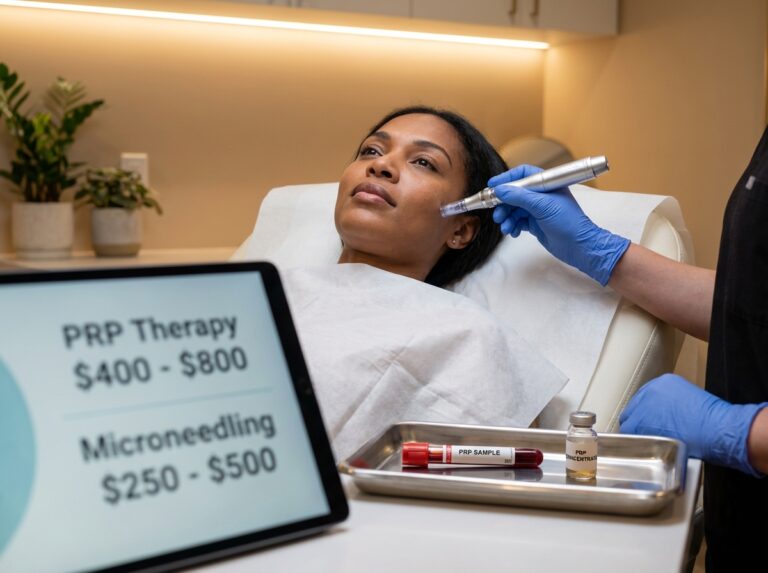
Upselling is common in aesthetic medicine. Providers frequently suggest adding PRP (Platelet-Rich Plasma) or Exosomes to speed up healing and boost collagen production. Adding PRP to a laser treatment typically costs an extra $500 to $900. Exosomes are the newer trend and can cost between $300 and $1,000 per vial. These are optional but often presented as essential for “optimal results.”
The “Time is Money” Factor
Your comparison must include the cost of your time. This is where the two treatments diverge most sharply.
Fraxel Economics
You can usually return to work the next day or within 48 hours. You might look like you have a bad sunburn. The skin feels like sandpaper. You can wear makeup to cover it. The financial “downtime cost” is low. You do not need to burn vacation days. The trade-off is the inconvenience of returning to the clinic four times over four months.
CO2RE Economics
Recovery is a serious commitment. You will likely need 7 to 14 days of social downtime. Your face may be swollen, oozing, and peeling. You cannot wear makeup for at least a week. If you work in an office or a client-facing role, you must take time off. A week of lost wages or used vacation time adds a hidden cost to the $3,000 procedure fee. Fraxel may seem less expensive initially but the math changes when you factor in the sheer number of visits versus the intense recovery period of CO2.
Billing Tactics and “Number of Passes”
Clinics price these lasers differently. The most common method is “per area.” You pay for the face, and the neck is a separate charge. Some clinics charge “per pass.” This is tricky. A provider might quote a low price for a CO2 treatment but only perform a single light pass. A therapeutic treatment might require two or three passes at different depths. The low price gets you in the door. The real treatment costs double.
You might see a clinic advertising a low price for CO2. Ask about the settings. A treatment involves “passes” over the skin.
- Light treatment: Low energy, low density, 1 pass. Cheaper. Less downtime. Less result.
- Aggressive treatment: High energy, high density, 2 or 3 passes. More expensive. Longer downtime. Better result.
Some clinics price by the intensity. A “light” CO2 peel might be $1,500. A “deep” resurfacing might be $3,500. Always clarify what level of treatment the quote includes.
Always ask for the total package price rather than the per-session price. A “Buy 3, Get 1 Free” deal on Fraxel is common and brings the average cost down significantly. CO2 treatments are rarely discounted because they are physician-intensive and time-consuming. Be wary of deep discounts on CO2 lasers on sites like Groupon. These often indicate older machines or under-qualified providers.
Sarasota Surgical Arts’ 2025 Guide notes that specific lasers like the 1550/1927 (Fraxel) are distinct categories in pricing menus compared to heavier ablative options. Mixing these technologies is becoming common. Some providers now stack treatments, doing a non-ablative pass for glow and an ablative pass for deep lines. This “hybrid” approach usually commands the highest price point, often exceeding $4,000 per session.
How Clinics Price Aesthetic Services and Tips to Avoid Overpaying
Understanding the final bill requires looking at the business side of aesthetic medicine. Clinics operate on specific financial models that dictate how they charge for services like Fraxel, CO2RE, Botox, and CoolSculpting. You might see a sticker price on a website, but the final invoice often looks different once provider fees, facility costs, and consumables get added. Knowing how these numbers come together helps you compare quotes accurately.
Common Clinic Pricing Models
Clinics rarely use a single pricing strategy. Most use a combination of methods to structure their fees. Recognizing the model helps you spot where you might be paying for prestige rather than results.
Menu Pricing is the most straightforward. The clinic lists a flat fee for a specific service. A full-face Fraxel treatment might be listed at $1,200. This offers transparency but often lacks flexibility for unique patient needs.
Tiered Pricing depends on who holds the device. You will pay a premium for a board-certified dermatologist or plastic surgeon compared to a nurse practitioner or physician assistant. The price difference can be 20% to 40% for the exact same laser treatment. For complex procedures like deep CO2 resurfacing, the surgeon’s expertise justifies the cost. For routine maintenance, a qualified nurse practitioner often provides equal results at a lower tier.
Membership Plans have become standard in 2025. Patients pay a monthly fee, usually between $150 and $300, to bank credits toward treatments. These plans typically unlock discounted rates on lasers and injectables. This model works well for maintenance treatments but requires a math check to ensure you will actually use the services enough to offset the annual cost.
Comparing Injectables and Body Contouring Costs
Laser pricing is usually session-based or area-based. Injectables and body contouring use different metrics. This makes cross-comparing value difficult without doing some conversion.
Botox and Neurotoxins are priced per unit or per area. Per-unit pricing is the most transparent method. You pay only for what you receive. The average cost in 2025 hovers around $14 to $19 per unit in metropolitan areas. Per-area pricing charges a flat rate for the forehead or crows feet. This can be more expensive if you require fewer units than the average patient. Always ask how many units the flat fee covers.
Dermal Fillers are priced per syringe. A single syringe typically contains 1.0 cc of product. Under-eye treatment might use one syringe, while cheek augmentation could require two or three. The cost reflects the material and the injector’s time. Prices range widely based on the specific product formulation.
CoolSculpting uses a “per cycle” or “per applicator” model. One cycle covers a specific section of fat. Treating a full abdomen often requires four or more cycles. A quote for “stomach treatment” is meaningless without knowing the number of cycles included. This differs from laser resurfacing where “full face” is a standardized area.
Tactics to Avoid Overpaying
You can negotiate value even if you cannot haggle on the base price. The goal is ensuring every dollar goes toward safety and efficacy.
Request an itemized quote before booking. This document must separate the procedure cost from anesthesia fees, facility fees, and post-care products. Some clinics bundle expensive skincare kits you might not need. Ask if you can use your existing gentle cleanser and moisturizer instead.
Verify the specific device name. A generic “laser resurfacing” quote might refer to an older, less effective machine. Confirm you are paying for a genuine Fraxel Dual or Candela CO2RE if that is what you were promised. Off-brand lasers should cost significantly less.
Check for package expiration dates. Buying a package of three laser sessions lowers the per-treatment cost. Ensure the clinic allows you enough time to use them. Skin recovery varies. You do not want to be forced into a session before your skin is ready just to beat an expiration date.
Get Three Itemized Quotes. Call or visit three different providers. Ask for a written quote that breaks down everything. You cannot compare prices if you do not know what is included. One clinic might charge $3,000 but include all aftercare and follow-ups. Another might charge $2,500 but bill you separately for numbing cream and check-ups.
Checklist for Consultations
Bring a list of questions to the consultation. This signals you are an informed consumer and reduces the chance of surprise charges.
- Does the quote include topical numbing cream or nerve blocks?
- Is there a facility fee added on the day of treatment?
- What is the cost of a touch-up if the results are uneven?
- Are follow-up appointments included in the initial price?
- Do you charge for parking or booking fees?
- What is the refund policy if I have a medical reaction and cannot complete the package?
Red Flags in Pricing
Certain pricing behaviors indicate a clinic prioritizes volume over safety. Be cautious of these warning signs.
Extremely Low Prices usually mean corners are being cut. This could involve diluted neurotoxins, counterfeit devices, or under-qualified staff. If a CO2 laser treatment is priced at $500 when the local average is $2,500, investigate thoroughly.
No Consultation Required is a major safety risk. A reputable provider must assess your skin type and medical history before quoting a price. Online booking for aggressive lasers without a prior assessment is dangerous.
Refusal to Show Credentials suggests the provider lacks necessary certification. You have the right to know if a doctor, nurse, or aesthetician will perform the procedure.
Financing and Payment Policies
Medical aesthetics is a significant financial commitment. Most clinics do not offer direct payment plans but partner with third-party lenders like CareCredit or Cherry. These services offer promotional periods with 0% interest. Interest rates skyrocket if the balance remains unpaid after the promotional period ends. Read the terms carefully.
Health Savings Accounts (HSA) and Flexible Spending Accounts (FSA) have strict rules. The IRS generally considers laser resurfacing and injectables as cosmetic procedures. These are not eligible expenses. Exceptions exist for treatments deemed medically necessary, such as scar revision or treating precancerous actinic keratosis. You will need a Letter of Medical Necessity from the doctor to use these funds. Real patient reviews often discuss which clinics assist with this documentation.
Review the consent forms and refund policies before paying a deposit. Many clinics have strict 48-hour cancellation windows. Late cancellations often result in forfeiting the deposit or a fee of $100 or more. Understanding these policies prevents losing money due to a schedule change.
Common Questions Patients Ask About Costs and Choices
Which laser gives better results for deep wrinkles and scars?
The choice between Fraxel and CO2RE depends heavily on the severity of the skin damage you want to repair. CO2RE is an ablative carbon dioxide laser. It vaporizes thin layers of skin to force rapid collagen regeneration. This makes it the superior choice for deep, etched-in wrinkles and significant acne scarring. The results are dramatic but the recovery is intense. You will likely deal with redness and peeling for two weeks or more.
Fraxel usually refers to the Fraxel re:store Dual. This is a non-ablative laser. It heats the underlying tissue without removing the top layer of skin. It works well for fine lines, pigmentation, and mild scarring. The downtime is minimal. You might look sunburned for a few days. However, it cannot match the depth of correction you get with CO2RE. If your main concern is deep texture issues, CO2RE provides a more significant improvement in a single visit.
Why do some clinics charge twice as much for the same treatment?
Price variations often reflect the credentials of the person holding the device. A board-certified dermatologist or plastic surgeon charges more than a nurse practitioner or aesthetician. You are paying for their medical judgment and their ability to handle complications. The location of the clinic also drives up overhead costs. A practice in Manhattan or Beverly Hills pays higher rent than a clinic in a suburban strip mall.
The equipment itself plays a role in pricing. Genuine Fraxel treatments require the clinic to buy expensive disposable tips for every patient. This consumable cost gets passed to you. Some clinics might offer very low prices because they use older technology or knock-off devices that do not have the same safety profile or efficacy. Always verify the specific machine name before you book.
Can I combine laser resurfacing with fillers or Botox?
Combining treatments is a common strategy to maximize results. Doctors often call this “stacking” or a “liquid facelift” combined with resurfacing. Botox is frequently administered two weeks before a laser treatment. This relaxes the muscles and allows the skin to heal smoothly without constant creasing from facial expressions.
Dermal fillers require more caution. Many providers prefer to wait until after the laser treatment heals to place fillers. The heat from the laser could theoretically affect the filler or increase swelling. However, some experienced surgeons will perform deep structural filling and laser resurfacing in the same appointment. This requires a high level of skill. You should never attempt this with an inexperienced injector. Always ask for a customized timeline during your consultation.
Are there seasonal promotions and should I wait for a sale?
The aesthetic industry has a specific rhythm. “Laser season” typically runs from October to March. This is because you cannot undergo laser treatment with active tan or recent sun exposure. Clinics know demand is high in winter. You might see package deals around Black Friday or New Year’s.
Be cautious with deep discounts on Groupon or similar sites. A laser is a medical device that can cause permanent burns or scarring if mishandled. A seventy percent discount might indicate a clinic is desperate for patients or uses under-qualified staff. It is safer to look for “open house” events at reputable dermatology practices. They often offer 10 to 20 percent off packages once or twice a year. This is a safe way to save money without compromising on the quality of care.
What are the main safety and credential checks to confirm before booking?
Safety is your priority. The person firing the laser matters more than the brand of the laser. Check if the provider is a board-certified dermatologist or plastic surgeon. If a nurse or physician assistant is performing the treatment, ask if a doctor is on-site to manage any immediate complications.
Ask specifically about their experience with your skin type. Darker skin tones have a higher risk of hyperpigmentation with lasers. An inexperienced provider might use settings that are too aggressive for your melanin levels. Ask to see before-and-after photos of patients with your specific skin tone. Check the state medical board website to ensure the provider has a clean record with no disciplinary actions.
How do I compare per-unit Botox pricing with provider experience?
Comparing Botox prices purely by the unit is a mistake. A novice injector might charge $10 per unit. An expert injector might charge $16 per unit. The novice might use 40 units to treat your forehead and leave you with heavy, drooping brows. The expert might achieve a better, more natural lift using only 25 units.
In this scenario, the “cheaper” injector costs you $400 for a bad result. The “expensive” injector costs you $400 for a great result. The total cost is the same. The difference is the outcome. Experienced providers understand facial anatomy. They place the product precisely where it needs to go. They waste less product. When you call for prices, ask for the typical total cost for the area you want to treat rather than just the price per unit.
Final Takeaways for Smart Spending on Laser and Non Surgical Aesthetics
We have looked at the specific questions people ask most often. Now we need to boil this down to a strategy you can actually use. The goal is not just finding the lowest number on a price list. It is about understanding what you are buying so you do not waste money on a treatment that does not work for you or pay a premium for a brand name when a generic option would do the job.
The Real Cost Difference Between Fraxel and CO2RE
The biggest confusion I see involves the difference between “per session” price and “total treatment” price. Fraxel usually looks cheaper when you call the front desk. You might hear a quote of $900 or $1,200. CO2RE or other ablative CO2 lasers often start at $2,500 or $3,000.
If you stop asking questions there you might choose Fraxel to save money. That is often a mistake.
Fraxel is generally non-ablative or hybrid. It works by treating a fraction of the skin at a time. This means you almost always need a series of treatments to get a significant result. Three to five sessions is standard. If you pay $1,000 per session for four sessions you are spending $4,000 total.
CO2RE is an ablative laser. It vaporizes the top layer of skin. It is aggressive. Most patients only do this once every few years. You pay a higher lump sum upfront but you are done after one visit. You have to decide if you prefer an installment plan with milder recovery or a lump sum payment with a harder recovery.
Action Plan to Avoid Overpaying
You need a system to get fair pricing without compromising safety. Do not just walk into the first clinic you see on Instagram. Follow these steps.
1. Research the Device and the Provider
Know exactly what laser you want before you call. If you want CO2 resurfacing ask specifically for “fractional ablative CO2.” Check the doctor’s board certification. Look for reviews that mention the specific laser you are interested in.
2. Ask About Packages vs Single Sessions
If you choose Fraxel or a non-ablative option ask about package pricing. Clinics almost always offer a discount if you buy a set of three or four treatments upfront. This can save you 10% to 20%.
3. Verify the Age of the Quote
We are in late 2025. Prices have risen over the last two years due to inflation and increased supply costs. Ensure any price you see online is current. A blog post from 2022 is useless today.
Safety Is Part of the Price
I cannot stress this enough. The lowest price is often the most dangerous option. Lasers burn skin. They can cause permanent scarring or hyperpigmentation if used incorrectly.
When you pay a premium you are paying for a provider who knows how to handle your specific skin type. This is critical for patients with darker skin tones who are at higher risk for pigment issues.
Fraxel may seem less expensive initially but if it is done by an untrained technician who uses the wrong settings you will spend thousands more fixing the damage.
Final Recommendations Before You Book
You are ready to make a decision. Here is your final checklist to ensure you spend smart.
- Confirm the specific laser name. Do not accept “laser resurfacing” as an answer. Ask if it is Fraxel Dual, CO2RE, Halo, or Ultrapulse.
- Check the expiration date on quotes. Many quotes are only valid for 30 days.
- Ask about revision policies. If you do not get the results promised or if there is a complication do they charge for the fix?
- Factor in downtime costs. If you have to take a week off work without pay for CO2 recovery add that lost income to the procedure cost.
- Trust your gut. If a clinic feels like a high-pressure sales floor leave. Medical aesthetics is medicine. It should feel professional and safe.
Smart spending in aesthetics is about value. It is about getting the result you want safely and efficiently. Do your homework and you will feel much better about the investment you are making in yourself.
Sources
- Fraxel Laser vs CO2 Laser: Choosing the Right Treatment for Your … — Fraxel may seem less expensive initially, but multiple sessions can add up. CO2 often requires fewer treatments but has a higher upfront cost.
- Laser Skin Resurfacing: Ablative vs. Non-Ablative Treatments — The average cost of ablative laser skin resurfacing is $2,509. The average cost of non-ablative laser skin resurfacing is $1,445.
- How Much Does Laser Resurfacing Cost? (2025) – Thervo — Fraxel laser costs $900 to $1,500 per session on average for a full-face treatment. This resurfacing option restores your skin tone, repairs …
- How Much Does CO2 Laser Cost, and Is It Worth It? | RealSelf — The average cost of a CO2 laser treatment is $2,999, according to hundreds of real patient reviews. Prices can vary widely, depending on factors …
- How Much Does Laser Skin Resurfacing Cost in Temecula? — In Temecula, laser skin resurfacing ranges $2,000–$6,000 per session. It depends on type and area. National averages sit at $1,800–$2,500 per …
- How Much Does Fractional Laser Resurfacing Cost in 2025? – Spa26 — The cost typically ranges from $400 to $2,500 per session, influenced by factors like the type of laser used, the provider's experience, …
- Laser Skin Resurfacing Cost | 2025 Guide – Sarasota Surgical Arts — CO2 Laser Resurfacing · Our Prices · Payment Plans · Our Specials · About Us … Ex:- Fractional 1550/1927 (e.g., Fraxel), pulsed‑dye, Nd: YAG.
- Fraxel Laser Treatment Prices & Packages 2025 – Bookimed — The cost of Fraxel Laser Treatment ranges from $149 to $800. Get a free quote for your personalized package.
Legal Disclaimers & Brand Notices
The content provided in this article is for informational purposes only and does not constitute professional medical advice, diagnosis, or treatment. Always seek the advice of a physician or other qualified health provider with any questions you may have regarding a medical condition or specific aesthetic procedure. Never disregard professional medical advice or delay in seeking it because of something you have read in this article.
All product names, logos, and brands are property of their respective owners. All company, product, and service names used in this text—including but not limited to Botox, CoolSculpting, Fraxel, and CO2RE—are for identification purposes only. Use of these names, trademarks, and brands does not imply endorsement, affiliation, or certification by the trademark holders.