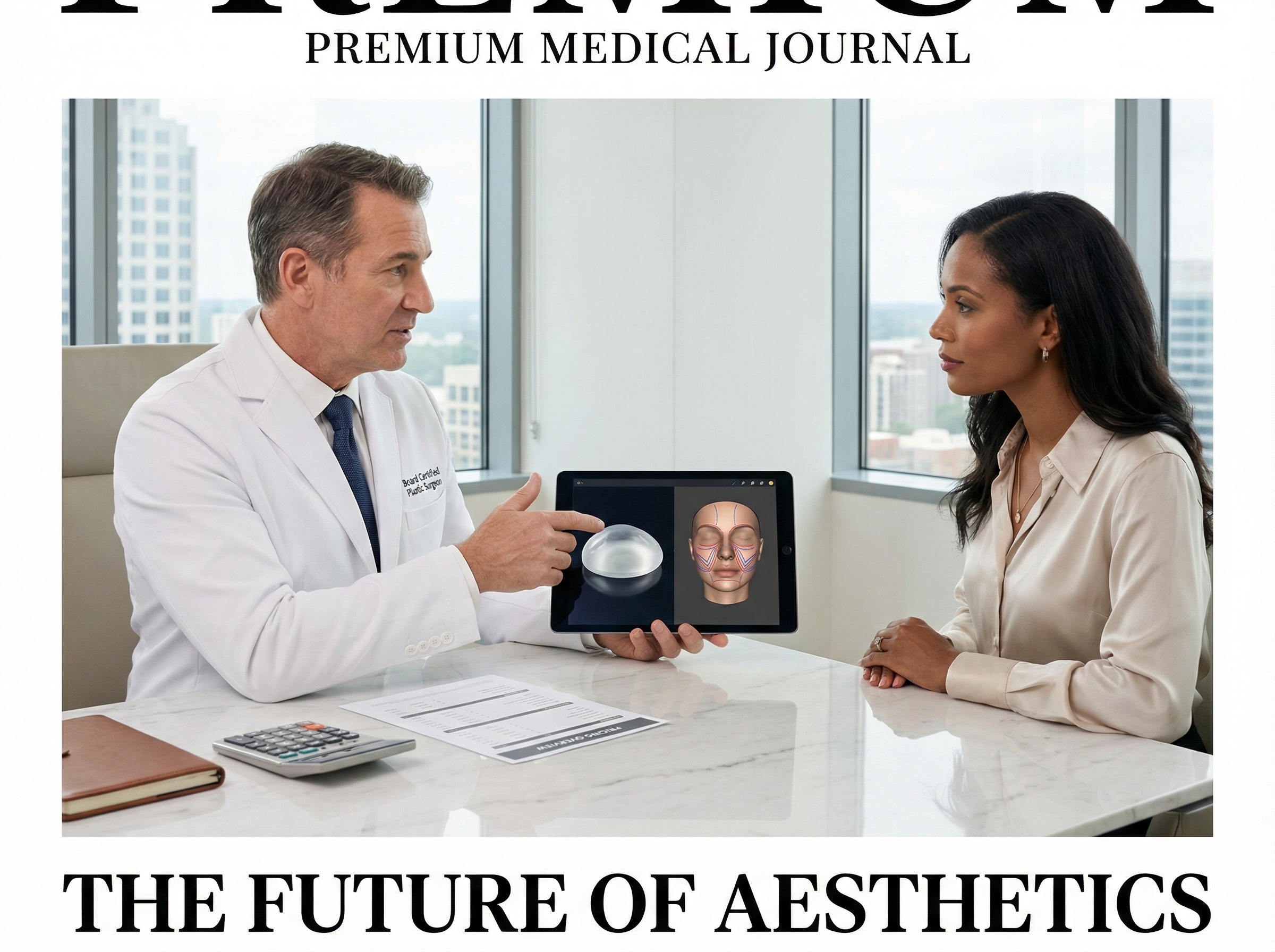
Choosing between fat transfer and implants means weighing upfront cost, long‑term maintenance, risks and clinic pricing practices. This article compares procedure costs, ongoing expenses, and how clinics price services — plus practical tips to compare Botox, fillers and CoolSculpting prices so you don’t overpay when booking aesthetic care in the United States.
Why price comparison matters for aesthetic procedures
You might see a billboard for a $3,999 breast augmentation on your morning commute and then read a forum post about a $19,000 quote for the same surgery later that night. This massive gap in pricing is confusing and often dangerous. Price comparison in the aesthetic industry is not just about saving money. It is a critical tool for vetting the safety and quality of the facility where you will undergo surgery.
When you see a price that looks too good to be true in 2025, it usually excludes essential components like anesthesia or facility fees. Conversely, a high price tag does not automatically guarantee a better result. Understanding how clinics structure their fees helps you avoid overpaying for marketing while ensuring you do not underpay for safety.
The Geography of Pricing
Where you have your surgery dictates the baseline cost almost as much as the procedure itself. Overhead costs for clinics vary wildly across the United States. A surgeon in New York City or Los Angeles pays significantly more for rent and staff than a surgeon in Alabama or West Virginia. These costs are passed directly to you.
Current data from 2025 shows that the total cost for fat transfer breast augmentation can swing by nearly 50% depending on the state. In high-cost areas like Massachusetts or California, averages hover between $11,000 and $12,000. In contrast, states like Alabama and West Virginia see averages closer to $7,800. If you are willing to travel, you might save thousands, but you must factor in travel expenses and follow-up visits.
Regional Price Variations (2025 Estimates)
This table illustrates the disparity in average total costs for fat transfer procedures across different states.
| State | Average Fat Transfer Cost | Cost Tier |
|---|---|---|
| Massachusetts | $11,744 | High |
| California | $11,307 | High |
| Washington | $10,296 | High |
| Texas | $8,426 | Medium |
| Alabama | $7,875 | Low |
| West Virginia | $7,846 | Low |
Deconstructing the Quote: What Are You Paying For?
The biggest mistake patients make is confusing the “surgeon’s fee” with the total price. The American Society of Plastic Surgeons (ASPS) reports an average surgeon’s fee of about $4,875 for implants and $5,719 for fat transfer. However, this number is only a fraction of the final bill.
Facility and Anesthesia Fees
Operating rooms are expensive. Accredited surgical facilities (AAAASF or JCI) charge hourly rates that can add $2,000 to $3,000 to your bill. Anesthesia services typically cost another $1,000 to $1,500. If a quote seems incredibly low, the clinic might be operating out of a non-accredited office space or using a nurse anesthetist instead of a board-certified anesthesiologist to cut costs. Always verify accreditation.
Device vs. Labor Costs
For implant procedures, you are paying for the device itself. Saline implants are cheaper, costing the clinic significantly less than silicone or “gummy bear” implants. Clinics usually mark these up. With fat transfer, you are not buying a device; you are paying for labor. The surgeon must perform liposuction first, process the fat, and then inject it. This double procedure takes more time in the operating room, which explains why fat transfer breast augmentation costs are generally higher than simple implant placement.
The Experience Premium
Surgeon experience is the most intangible but impactful variable in pricing. A board-certified plastic surgeon with twenty years of experience specializing in breast reconstruction will charge more than a general cosmetic surgeon who does a little bit of everything. This premium pays for their judgment. Experienced surgeons have lower revision rates. Since revision surgeries can cost 20% to 50% more than the primary surgery, paying more upfront for an expert often costs less over a ten-year period.
Comparing Non-Surgical Pricing Models
If you are considering non-surgical options like Botox, fillers, or CoolSculpting as an alternative or adjunct to surgery, the pricing models change completely. Clinics often use opaque pricing strategies here as well.
Botox and Neurotoxins
Pricing is typically “per unit.” The average price in 2025 sits between $10 and $20 per unit. Be wary of “per area” pricing (e.g., “$250 for the forehead”). This model often shortchanges you on the number of units you actually need for a lasting result. Always ask how many units are included in a flat fee.
Dermal Fillers
These are priced per syringe. Prices range from $500 to $800 depending on the brand and density of the product. Some clinics offer half-syringes, but this is rare. If a price is very low, ask if they are using a full 1.0 mL syringe or a smaller volume.
Body Contouring (CoolSculpting)
Pricing here is “per cycle” or per applicator placement. A single cycle averages $600 to $800. Treating a full area like the abdomen might require four cycles, pushing the cost to over $3,000. Always get a quote for the total number of cycles needed to see a result, not just the price of a single applicator.
How to Spot Hidden Costs
Clinics use bundled pricing to make comparison difficult. A “Mommy Makeover Special” might look like a deal, but if it does not itemize the costs, you cannot see where they are cutting corners. You need to strip the quote down to its parts to compare apples to apples.
Opaque pricing leads to overpaying because you might agree to a package that includes post-op garments or “recovery kits” at a 300% markup. Alternatively, you might choose a low quote only to find out later that pre-op blood work, follow-up visits, and revision policies are excluded. Fat transfer breast augmentation often requires a second session to achieve the desired volume due to fat resorption. If the clinic does not mention the cost of a second round, your actual budget is off by thousands.
The Quote Checklist
Before you book, request a written quote that breaks down every fee. Use this checklist to ensure nothing is missing.
- Surgeon’s Fee: Is this guaranteed or an estimate?
- Anesthesia Fee: Is this for a board-certified anesthesiologist (MD) or a CRNA?
- Facility Fee: Does this cover the entire estimated time? What happens if surgery runs long?
- Implant/Device Cost: (If applicable) Which specific brand and type (smooth, textured, saline, silicone)?
- Post-Op Garments: Are the surgical bra and compression garments included?
- Follow-Up Visits: Are appointments covered for the first year?
- Revision Policy: What is the financial policy if a revision is needed within 12 months?
- Lab Work: Are pre-op medical clearance tests included?
Comparing these line items across three different clinics will give you a clear picture of the market rate in your area. It protects you from the financial shock of hidden fees and helps you identify which surgeons are investing in patient safety and which are cutting costs at your expense.
Understanding the procedures and patient candidacy
Before you commit to a deposit or schedule a consultation, you need to understand exactly what happens in the operating room. The price difference between these procedures often reflects the complexity of the surgical workflow rather than just the cost of materials. While implants involve placing a medical device, fat transfer is essentially two surgeries in one. Understanding these mechanics helps you manage expectations regarding recovery, scarring, and long-term maintenance.
The Mechanics of Breast Implants
Breast augmentation with implants is a straightforward volume addition. The surgeon creates a pocket either behind the breast tissue or underneath the chest muscle. This procedure typically takes one to two hours under general anesthesia.
Surgical Steps and Placement
The surgeon makes an incision in one of three areas: the inframammary fold (under the breast), the periareolar (around the nipple), or transaxillary (armpit). They create a pocket and insert the sterile implant. Placement matters significantly for the final look. Subglandular placement (over the muscle) offers an easier recovery but may look less natural on thin patients. Submuscular placement (under the muscle) provides more tissue coverage and a natural slope but involves a more painful recovery because the muscle is stretched.
Implant Types and Materials
In 2025, the market is dominated by two main fill types. Saline implants are filled with sterile salt water after insertion. They are generally firmer and allow for smaller incisions. Silicone gel implants, including the cohesive “gummy bear” models, feel more like natural breast tissue. You will also choose between smooth and textured surfaces. Most US surgeons now favor smooth implants due to safety concerns associated with textured surfaces and BIA-ALCL.
The Mechanics of Fat Transfer
Fat transfer, or autologous fat grafting, is technically more demanding. It requires harvesting fat from a donor area on your body and moving it to the breasts. This is not a simple injection. It requires a meticulous three-step workflow that can take three to four hours.
Harvesting and Processing
The surgeon uses liposuction to collect fat from areas like the abdomen, thighs, or flanks. This must be done gently to keep the fat cells alive. Once harvested, the fat is processed. The surgical team uses centrifugation or filtration to separate viable fat cells from blood, oil, and water. Only the healthy, golden-yellow fat is kept for grafting.
Injection and Integration
The surgeon injects the processed fat into the breast using tiny cannulas. They do not inject a large bolus of fat at once. Instead, they weave tiny rows of fat cells throughout the existing tissue. This technique ensures that every transplanted fat cell has contact with a blood supply. If the fat does not get oxygen, it dies and creates oil cysts or calcifications. This biological limitation is why fat transfer usually only achieves a one-cup size increase per session.
Comparing Clinical Candidacy and Aesthetic Goals
Your body type dictates which procedure is viable. A patient with very low body fat cannot have a fat transfer because there is no donor site to harvest from. Conversely, a patient with significant breast sagging (ptosis) might need a breast lift regardless of which volume method they choose.
| Feature | Breast Implants | Fat Transfer |
|---|---|---|
| Primary Goal | Significant volume and shape change | Subtle volume and contouring |
| Volume Limit | Unlimited (size depends on skin stretch) | Limited (usually 1 cup per session) |
| Invasiveness | Single surgical site (chest) | Multiple sites (chest + lipo areas) |
| Scarring | 1-2 inch incision on breast/armpit | Tiny dots on breast and lipo sites |
| Anesthesia | General Anesthesia | General or Twilight Sedation |
Ideal Candidates for Implants
Implants are the standard for women who want a predictable, significant increase in cup size. They are also the only option for women with very little natural body fat. If you want a specific upper-pole fullness (cleavage) or a projected silhouette, implants provide the internal structure to hold that shape.
Ideal Candidates for Fat Transfer
This procedure suits women looking for a modest increase, typically half a cup to one full cup. It is ideal for patients who want to address asymmetry or fix contour irregularities from previous surgeries. Since the material is your own fat, the results tend to be softer and more natural compared to implants. However, you must have adequate fat stores in the belly, flanks, or thighs to support the harvest.
Recovery Timelines and Scarring
Recovery looks very different for these two procedures. With implants, the pain is localized to the chest. You will feel pressure and tightness, especially if the implant is under the muscle. Most patients return to desk work within five to seven days, though heavy lifting is restricted for six weeks. Scars are linear and typically fade to thin white lines over a year.
Fat transfer recovery involves multiple body parts. Your chest will feel tight, but the donor sites (where liposuction occurred) often hurt more. You can expect bruising and soreness in the thighs or abdomen that feels like a severe workout. You will likely wear compression garments on the liposuction areas for several weeks to ensure smooth skin retraction. The scarring on the breast is minimal, usually just tiny pinpricks that disappear almost completely.
Long-Term Considerations and Contraindications
Biology plays a massive role in how your results age. Implants are static devices. They do not fluctuate with your weight. If you gain or lose 20 pounds, the implant stays the same size, though your natural tissue around it will change.
Weight Fluctuation and Pregnancy
Fat transfer results are dynamic. The transferred fat behaves exactly like the fat in the rest of your body. If you lose weight, your breasts will shrink. If you gain weight, they will get larger. Future pregnancy can alter results for both procedures. Pregnancy stretches the skin, which may lead to sagging that requires a lift later, regardless of whether you have implants or fat grafting.
Contraindications and Risks
Smokers are poor candidates for fat transfer because nicotine constricts blood vessels, causing the transferred fat to die. Patients with a family history of breast cancer need to discuss fat transfer carefully with their radiologist, as calcifications from dead fat cells can sometimes mimic suspicious findings on mammograms, though modern screening can usually tell the difference.
Search Queries for Updated Clinical Data
Since medical consensus evolves, you should verify the latest safety data before booking. Use these specific search terms to find 2025 guidelines and consensus statements rather than marketing brochures:
- “ASPS clinical practice guidelines breast fat grafting 2025”
- “FDA breast implant safety communication updated 2025”
- “BIA-ALCL and BIA-SCC risk statistics 2025”
- “Fat graft retention rates breast augmentation studies 2024 2025”
- “Breast implant illness symptoms and consensus 2025”
Understanding these physical realities is the first step in evaluating the quote you receive. A low price on a fat transfer might mean the surgeon plans a shorter, less meticulous injection process, which leads to lower fat survival. A high price on implants might reflect the use of specialized cohesive gel devices. In the next section, we will break down exactly what those costs look like on paper.
Comparing upfront costs and what each quote should include
The financial commitment for breast enhancement extends far beyond the initial quote you see on Instagram or a clinic website. You need to look at the total cost of ownership rather than just the surgeon’s fee. Understanding the price structure protects you from surprise bills on the day of surgery.
Breaking Down the Bill
A transparent quote includes several non-negotiable line items. You should request an itemized list before booking any procedure.
Surgeon’s Fee
This covers the doctor’s time and expertise. As noted earlier, the average surgeon’s fee for implant-based augmentation is around $4,875 while fat transfer averages $5,719. This number varies significantly based on the surgeon’s experience and location. A board-certified plastic surgeon in New York or Los Angeles will charge more than one in Alabama or South Dakota.
Anesthesia Fees
You pay for the anesthesiologist or certified registered nurse anesthetist (CRNA) by the hour. Fat transfer procedures take longer than implants because the surgeon must harvest fat via liposuction before processing and injecting it. Expect to pay for 2 to 4 hours of anesthesia for fat transfer compared to 1 to 2 hours for implants. This usually adds $1,000 to $2,500 to the bill.
Facility or Hospital Costs
Operating rooms charge hourly rates for staff, equipment, and sterility. Accredited ambulatory surgical centers are generally cheaper than hospitals. Facility fees often range from $1,500 to $3,000 depending on the length of the surgery.
Material Costs
For implants, you pay for the devices themselves. Saline implants are the most affordable option. Silicone gel implants cost $1,000 to $2,000 more. Structured or “gummy bear” implants sit at the highest price point. For fat transfer, the material cost involves the disposable canisters and filtration systems used to process your fat. This is often bundled into the facility fee but should be verified.
Pre-operative and Post-operative Expenses
Most quotes exclude necessary medical clearance tests. You will need blood work and potentially a mammogram before surgery. Post-op expenses include prescription painkillers, antibiotics, and compression garments. A quality surgical bra or compression vest costs between $100 and $300. You may need multiple garments as swelling subsides.
2025 Price Ranges for Implants vs. Fat Transfer
Fat transfer is consistently more expensive than implants because it combines two surgeries into one. The surgeon performs liposuction on donor sites like the abdomen or thighs and then performs the breast augmentation.
How Much Is a Fat Transfer Breast Augmentation? – Dr. Arturo Valdez notes that while implant averages hover near $4,875 for the surgeon alone, the total cost for fat transfer can be significantly higher due to the complexity.
Real-world data from 2025 shows distinct price brackets across the United States.
| Cost Scenario | Breast Implants (Total Cost) | Fat Transfer (Total Cost) |
|---|---|---|
| Low Range (e.g., Jacksonville, FL; rural areas) |
$4,000 – $6,000 | $7,200 – $9,000 |
| Median Range (National Average) |
$7,100 – $8,500 | $9,100 – $12,000 |
| High Range (e.g., NYC, San Francisco, Miami) |
$10,000 – $14,000+ | $15,000 – $19,500+ |
Common Pricing Traps and Hidden Fees
Clinics use marketing tactics that can mislead patients about the final price.
The “Starting At” Base Price
Advertisements often list a low price like “$3,999” in large font. This usually covers only the surgeon’s fee or a saline implant procedure without anesthesia or facility costs. Always ask for the “out-the-door” price.
Technique and Device Upcharges
Surgeons may charge extra for specific techniques. Using a “keller funnel” to insert implants with less scarring might appear as a $300 line item. High-profile silicone implants or specific fat grafting technologies often carry a premium.
Touch-up Sessions
This is the most significant financial variable for fat transfer. Fat resorption rates are unpredictable. You might lose 30% to 50% of the transferred volume within the first few months. Many patients require a second surgery to achieve their desired size. Implants rarely require a second surgery for size alone unless you choose to change them.
Total Cost Calculator Example
Use this formula to estimate your actual budget. Do not rely on the single number given over the phone.
- Base Surgeon Fee: $5,000 (Average)
- + Anesthesia (3 hours): $1,800
- + Facility Fee: $2,200
- + Device/Processing: $1,500 (Silicone implants or Fat processing kit)
- + Post-op Garments/Meds: $300
- + Pre-op Labs: $250
- = Estimated Total: $11,050
Financing and Payment Structures
Most aesthetic procedures are elective and not covered by insurance. You must secure funding before the surgery date.
Medical Loans and Credit
Services like CareCredit or Alphaeon Credit offer financing specifically for healthcare. How Much Does a Fat Transfer Breast Augmentation Cost? highlights that financing can make higher-ticket procedures like fat transfer manageable. Look for promotional periods offering 0% interest for 12 to 24 months. Standard interest rates after the promotional period can exceed 25%.
Bundled vs. Itemized Quotes
Some clinics offer a “global fee” that bundles everything into one price. This simplifies payment but hides how much you pay for each component. Ask if the global fee includes potential revision surgery for complications within the first year. Itemized billing allows you to see exactly where your money goes but leaves room for variable costs like extra anesthesia time.
Deposit and Cancellation Policies
You will likely pay a non-refundable deposit of $500 to $1,000 to book your surgery date. Understand the cancellation window. Canceling within two weeks of the surgery often results in losing 50% or more of the total fee.
Comparing these costs accurately requires diligence. You must look past the marketing numbers to see the operational reality of the surgery. The next step involves understanding what happens after the check clears and the surgery is complete, specifically regarding long-term maintenance and future costs.
Maintenance, long term costs and expected revisions
The quote you signed off on in the previous section covers the day of surgery. It rarely covers the next decade of your life. When you look at the price tag of aesthetic procedures, you have to think in terms of “Total Cost of Ownership,” much like buying a car versus leasing one. By December 2025, the data on long-term maintenance for breast augmentation has become clearer, and the financial reality of implants versus fat grafting is distinct.
The Ticking Clock on Implants
Most patients assume implants are a “one and done” purchase. They are not. Medical devices have a lifespan. According to 2024-2025 guidance from the FDA and major plastic surgery societies, breast implants are not lifetime devices. The average lifespan is typically cited between 10 to 15 years, though many last longer and some fail sooner.
Replacement and Rupture Rates
You should budget for at least one exchange surgery in your lifetime if you get implants young. The rupture rate for modern silicone gel implants increases by about 1% per year after the first decade. By year 10, roughly 10% of patients may experience a rupture or a leak. For saline implants, a rupture is obvious—the breast deflates quickly. For silicone, it is a “silent rupture,” meaning the gel stays within the scar capsule, and you won’t know it happened without imaging.
Capsular Contracture Costs
The most common and costly complication is capsular contracture. This occurs when the scar tissue around the implant tightens, making the breast hard, painful, or misshapen. Recent 2025 data suggests this affects 5% to 10% of patients within the first few years. Treating this requires surgery to remove the scar tissue (capsulectomy) and often replace the implant. This revision surgery is frequently more expensive than the primary augmentation because it is technically more difficult. You could be looking at an unexpected $8,000 to $12,000 bill five years down the road.
Mandatory Surveillance
If you choose silicone implants, you are signing up for maintenance monitoring. The FDA currently recommends an MRI or high-resolution ultrasound 5 to 6 years post-op, and then every 2 to 3 years thereafter to check for silent rupture.
- MRI Cost: $500 to $2,000 per scan (usually out-of-pocket).
- Ultrasound Cost: $200 to $500 per scan.
Over a decade, surveillance alone adds $1,500 to $4,000 to your total investment.
Fat Transfer: The Front-Loaded Investment
Fat grafting has a different financial trajectory. The upfront cost is higher—often 30% to 50% more than implants due to the liposuction component—but the maintenance costs drop significantly after the first year.
Resorption and the “Fluff” Period
The main financial risk with fat transfer is retention. When fat is moved, it lacks a blood supply for the first few days. How Much Does a Fat Transfer Breast Augmentation Cost? depends heavily on whether the graft “takes.” Current clinical data indicates that 30% to 50% of the transferred fat will be reabsorbed by your body within the first 3 to 6 months.
Probability of Touch-Up Sessions
Because of resorption, many surgeons view fat transfer as a multi-stage process. If you desire a full cup size increase, you might achieve it in one go. If you want more, or if your body absorbs more fat than predicted, you will need a second surgery.
The “Second Round” Cost
A second session is not usually free. While surgeon fees might be discounted, you will still pay anesthesia and facility fees again. This can add $4,000 to $7,000 to your total within the first year. However, once the fat integrates (usually by month 6), it is permanent living tissue. It does not expire, rupture, or require MRIs.
Weight Fluctuations
Your new breast volume is tied to your body weight. If you lose 15 pounds, your breasts will shrink. If you gain weight, they will grow. This isn’t a “complication,” but it is a maintenance consideration. Patients who fluctuate significantly in weight may find their results inconsistent over time, potentially leading to a desire for aesthetic revisions later.
10-Year Cost Projection: The Real Numbers
To understand the financial commitment, we have to look past the initial quote. Below is a projected cost comparison over a 10-year horizon, based on 2025 national averages and typical complication rates.
| Cost Category | Silicone Implants (10-Year View) | Fat Transfer (10-Year View) |
|---|---|---|
| Initial Surgery | $6,000 – $12,000 | $9,000 – $17,000 |
| Surveillance (MRI/Ultrasound) | $1,500 – $3,000 | $0 |
| Likely Revisions/Touch-ups | $2,000 (amortized risk of rupture/contracture) | $0 – $6,000 (potential 2nd session) |
| Supportive Garments/Bras | $500 (specialty support often needed) | $200 (standard bras) |
| Total 10-Year Cost | $10,000 – $17,500 | $9,200 – $23,200 |
Analyzing the Split
Implants often start cheaper but act like a subscription service with ongoing monitoring and eventual replacement costs. How Much Is a Fat Transfer Breast Augmentation? It is expensive initially. If you are satisfied with the volume from the first round, your 10-year cost is virtually identical to your upfront cost. If you chase perfection with a second round, it becomes the most expensive option.
Aesthetic Maintenance and Minor Revisions
Beyond major surgery, there are smaller maintenance costs. Implant edges can ripple (become visible) over time, especially in thin patients. To hide this, patients often pay for minor fat grafting sessions later—ironically combining both procedures.
For fat transfer, the risk is asymmetry or oil cysts (benign lumps of calcified fat). While harmless, cysts might require drainage or mammograms to distinguish them from cancer, adding minor costs to your annual health checks.
When comparing quotes, ask the clinic specifically about their revision policy. Do they waive the surgeon’s fee if a touch-up is needed within 12 months? Do they have a warranty program for the implants that covers financial assistance for rupture? These policy details can save you thousands of dollars when the inevitable maintenance issues arise.
Frequently Asked Questions
We just covered the long-term maintenance realities and how they impact your wallet over a decade. You likely still have specific, practical questions before you are ready to schedule a consultation or sign a quote. Patients often get confused by the technical jargon in pricing estimates or worry about hidden fees that appear after the surgery is booked. This section cuts through the noise. It provides direct answers to the most common financial and logistical questions regarding breast augmentation and aesthetic clinic pricing in late 2025.
Which procedure is cheaper upfront versus long term?
Implants are almost always cheaper on day one because they involve a shorter, single-site surgery. Fat transfer is more expensive initially due to the added time and labor of liposuction. However, the long-term math changes. Implants require monitoring and eventual replacement. Fat transfer is typically a one-time investment. If you calculate costs over twenty years, fat transfer often ends up being the more economical choice despite the higher initial price tag. How Much Is a Fat Transfer Breast Augmentation? – Dr. Arturo Valdez breaks down these initial differences clearly.
Is fat transfer actually permanent?
The results are permanent, but the volume you see immediately after surgery is not. Your body will reabsorb about 30% to 50% of the transferred fat during the first few months. The fat cells that survive this integration period stay there forever. They behave like normal fat tissue. If you lose weight in the future, your breasts will shrink. If you gain weight, they will get bigger. Stability in your weight is key for lasting results.
How many sessions of fat transfer will I need?
Most patients achieve their goals in one session if they only want a modest increase of half a cup to one full cup size. If you want a dramatic change or have very tight skin, you might need a second procedure about six months later. Surgeons can only inject a limited amount of fat at once to ensure the cells survive. Overstuffing the area leads to fat necrosis and poor results.
Do breast implants really need to be replaced?
Yes. Implants are not lifetime devices. You should expect to replace them every 10 to 15 years. This timeframe varies based on the implant type and how your body reacts. Issues like capsular contracture or implant rupture can force an earlier surgery. You must factor the cost of future revision surgeries into your financial planning before choosing implants.
How do I compare Botox and filler prices between clinics?
Clinics price these differently, which makes comparison hard. For Botox or Dysport, always ask for the price per unit. A typical price is $10 to $15 per unit. Avoid clinics that price “per area” as you cannot verify how much product you receive. For dermal fillers, pricing is usually per syringe. The average is between $600 and $800 depending on the brand. Make sure the quote specifies the exact product name and volume.
Will my insurance cover complications?
Standard health insurance rarely covers complications from elective cosmetic surgery. If you develop an infection or a hematoma that requires a hospital visit, you are likely responsible for the bill. Some surgeons offer separate cosmetology insurance policies or “cosmetAssure” coverage that protects you against these specific financial risks. Always ask if this coverage is included in your surgical quote.
How do I verify if a clinic or surgeon is safe?
Price should never be your only metric. Verify that your surgeon is certified by the American Board of Plastic Surgery. This is different from the American Board of Cosmetic Surgery. For the facility, look for accreditation from AAAASF or JCI. These logos mean the clinic meets hospital-grade safety standards. If a clinic cannot provide proof of facility accreditation, walk away immediately.
What are the red flags in a low-price quote?
Be suspicious of any breast augmentation quote under $4,000. These low figures often cover only the surgeon’s fee and exclude anesthesia, operating room costs, and implants. A legitimate total quote for 2025 should fall between $6,000 and $12,000 depending on your location. Another red flag is a “limited time offer” that pressures you to book surgery within 24 hours. Reputable clinics never rush major medical decisions.
How does financing work for these procedures?
Most aesthetic clinics do not offer direct payment plans but partner with third-party lenders like CareCredit or Alphaeon. These allow you to pay monthly. Interest rates can be high if you do not pay off the balance within the promotional period. How Much Does a Fat Transfer Breast Augmentation Cost? offers good insights into how financing can break down these large sums into manageable payments.
Why is the quote for fat transfer so variable?
Fat transfer pricing is complex because it depends on the liposuction portion. The cost increases based on how many areas of the body need liposuction to harvest enough fat. A patient who needs fat taken only from the abdomen will pay less than a patient who needs harvesting from the abdomen, thighs, and flanks. The time in the operating room increases with each additional harvest site.
How much does CoolSculpting cost compared to surgery?
Non-surgical fat reduction is priced per cycle or per applicator. One cycle typically costs between $600 and $800. Treating a full area like the stomach might require four or more cycles. While the upfront cost per session seems low, the total bill can quickly approach the cost of surgical liposuction if you need multiple treatments to see visible results.
Does the type of implant affect the price significantly?
The material matters. Saline implants are the most affordable option. Silicone gel implants typically cost $1,000 to $2,000 more. The newer “gummy bear” or structured implants are at the top of the price range. Your quote should explicitly state the type and brand of implant. Do not accept a generic line item that just says “implants” without specification.
What happens if I am unhappy with the aesthetic result?
Revision policies vary by clinic. Most surgeons charge a fee for revision surgery, even if you are just unhappy with the size or symmetry. Some might waive the surgeon’s fee if the revision is done within the first year, but you will still pay for anesthesia and facility costs. Clarify this policy in writing before you pay your deposit. You need to know the financial penalty for perfectionism.
Are post-operative garments included in the price?
This is a common hidden cost. You will need specialized compression bras or garments after surgery. Some clinics include one garment in the surgical fee. Others require you to buy them separately. These high-quality medical garments can cost $100 to $300. Ask specifically if you need to purchase these yourself or if the clinic provides them.
How do I read a bundled aesthetic package?
Clinics often bundle services like “Mommy Makeovers” or “Facial Rejuvenation” packages. While these can offer value, they make it hard to see what you are paying for each service. Ask for an itemized breakdown. You need to verify that you are not paying for fillers or treatments you do not actually want just to get the package deal. Compare the bundled price against the individual unit prices to ensure the discount is real.
Results and final guidance for comparing clinics and avoiding overpaying
We have looked at the numbers, the recovery times, and the maintenance. Now you need to make the final call. Choosing between fat transfer and implants isn’t just about the sticker price you see on a website today. It is about what you will pay over the next ten to fifteen years, both in dollars and in maintenance.
If you look strictly at the upfront cost in late 2025, implants are almost always the cheaper option. While the base surgeon’s fee for implants is consistently lower than the labor-intensive fat transfer, the total cost gap widens significantly once facility fees and anesthesia are factored in. A high-quality fat transfer can easily run between $9,000 and $19,000 due to the longer operating time required for liposuction and processing.
But the upfront check is only half the story. Implants are medical devices. They break, they rupture, and they age. You will likely pay for MRI screenings every few years if you choose silicone, and you will eventually pay for a replacement surgery. Fat transfer is different. It costs more today, but once the fat integrates—usually about 60-70% of what is transferred—it is yours forever. There is no shell to break and no warranty to track.
Your Booking Checklist
Before you put down a deposit, you need to vet the clinic. I have seen too many people get excited by a low Instagram offer only to get hit with a $2,000 “facility fee” on the day of surgery. Use this checklist to protect your wallet and your health.
- Verify Board Certification
Ensure your surgeon is certified by the American Board of Plastic Surgery (ABPS). Many doctors call themselves “cosmetic surgeons” without this specific rigorous training. - Check Facility Accreditation
If the surgery is not in a hospital, the clinic must be accredited by AAAASF or JCI. This ensures they have life-saving equipment on hand. - Get an Itemized Quote
Never accept a lump sum number. You need to see the breakdown: surgeon’s fee, anesthesia, operating room costs, pre-op tests, and post-op garments. - Ask About Revision Policies
For fat transfer, ask what the cost is if too much fat absorbs and you need a second round. For implants, ask who pays if a rotation or capsular contracture happens within the first year. - Clarify Injectable Pricing
If you are also booking non-surgical treatments, check if they price Botox per unit or per area. Per unit is usually more transparent. For fillers, ask for the price per syringe, not “per treatment.”
Questions to Ask During Consultation
You are hiring them, not the other way around. Don’t be afraid to ask direct financial questions. A reputable clinic will appreciate that you are informed.
“What is the total ‘out-the-door’ price?”
Ask specifically if the quote includes anesthesia, follow-up appointments, and pain medication. Anesthesia alone can add $1,500 to $2,000 to the bill.
“How many fat transfer procedures do you perform monthly?”
Fat grafting is technique-sensitive. You want a surgeon who does this weekly, not occasionally. This reduces the risk of fat necrosis (lumps) and wasted money.
“Can I see healed results from a year later?”
Immediate after-photos look great because of swelling. Ask to see photos of women with your body type taken 12 months post-op to see how much volume actually survived.
Red Flags: When to Walk Away
Pricing can tell you a lot about safety. If a quote seems impossibly low, something is missing.
- The “Today Only” Discount
Legitimate medical professionals do not pressure you to book surgery within 24 hours to save $500. This is a high-pressure sales tactic common in “mills.” - Bundled Pricing Without Details
If a clinic offers “Breast Augmentation for $3,999” but refuses to email you a written breakdown before you come in, run. This usually excludes anesthesia and facility fees. - Non-Surgeons Doing Surgery
If the person performing the procedure is not a plastic surgeon, or if a nurse is doing deep injections without a doctor on site, the lower price is not worth the risk.
Script for Price Verification and Negotiation
Talking about money can feel awkward. Use this simple script when you call or email clinics to get clear answers without feeling rude.
“Hi, I am comparing quotes for a breast procedure. I see your base price is listed around [Price], but I need the full financial picture. Could you please send me an itemized estimate that includes the surgeon’s fee, anesthesia, facility costs, and any required post-op garments? Also, if a revision is needed for symmetry or complications, what percentage of that cost is the patient’s responsibility?”
Comparing Long-Term Value
To help you visualize where your money goes, here is a breakdown of the financial timeline for both options.
| Expense Category | Breast Implants | Fat Transfer |
|---|---|---|
| Upfront Cost (2025 Avg) | $6,000 – $12,000 | $9,000 – $19,000 |
| Anesthesia & Facility | Included in total above | Higher (longer surgery time) |
| Maintenance (10 Years) | MRI scans ($1k-$2k), potential replacement | None (if weight is stable) |
| Revision Probability | Moderate (rupture, displacement) | Moderate (absorption requiring touch-up) |
| Result Longevity | 10–15 years before replacement | Permanent |
For a deeper look at the specific costs in your area, you might find this breakdown helpful: Average cost of breast implants in Florida 2025 – top cities & pricing. It highlights how location impacts the final bill.
Final Thoughts on Safety vs. Price
We all have a budget. But aesthetic surgery is controlled trauma to your body. The goal is not just to pay the least amount of money; it is to pay a fair price for a safe, predictable result.
If you choose implants, you are signing up for a relationship with that device. You need to budget for future screenings and eventual replacement. If you choose fat transfer, you are paying a premium now for a “one-and-done” biological solution, provided you have enough donor fat.
Prioritize the surgeon’s skill over the lowest bid. A botched cheap surgery costs three times as much to fix as doing it right the first time. If you need help with the upfront investment, many reputable clinics work with financing options like CareCredit. You can read more about financing specifics here: How Much Does a Fat Transfer Breast Augmentation Cost?.
Take your time, get three distinct quotes, and trust your gut. If a clinic feels like a used car dealership, walk out. Your body deserves better.
SEO Suggestions
Recommended Subheadings (H2/H3):
- Fat Transfer vs Implants Cost Breakdown 2025
- Hidden Fees in Plastic Surgery Quotes
- Checklist for Booking Aesthetic Procedures
- Is Fat Transfer Worth the Extra Cost?
Meta Description Ideas:
- Deciding between fat transfer and implants? Compare 2025 costs, maintenance fees, and safety checklists. Learn how to spot red flags and negotiate clinic prices.
- Don’t overpay for breast augmentation. We break down the real costs of fat transfer vs. implants, hidden facility fees, and the questions you must ask before booking.
Sources
- How Much Is a Fat Transfer Breast Augmentation? – Dr. Arturo Valdez — Cost Comparison: Fat Transfer vs Implants. To start, the average cost of breast augmentation with implants is $4,875 (remember that the average …
- How Much Does a Fat Transfer Breast Augmentation Cost? — Fat transfer breast augmentation can augment breast size and may be a good option for those seeking enhancement without implants. By using your …
- Average cost of breast implants in Florida 2025 – top cities & pricing — Fat transfer breast augmentation typically costs between $5,400-$19,500, making it more expensive than traditional implants. It rarely produces …
- Breast Augmentation Cost Guide for 2025: Factors & Financing — The American Society of Plastic Surgeons (ASPS) reports the average surgeon's fee is around $4,875 for implant-based augmentation and $5,719 for fat transfer.
- How Much Does Breast Augmentation Cost in 2025? 7 Key Things … — The average cost of breast implant surgery is around $4,875, while fat transfer breast augmentation averages about $5,719. These prices …
- Breast implants vs fat transfer: which one should I go for? — Cost of breast implants vs fat transfer. Breast implants. The cost of breast augmentation with implants depends on the implant's type and size, the surgeon …
- How Much Are Breast Implants in 2025? – Dr. Ashley Howarth — How much does a breast augmentation cost? Updated 2025 price of breast implants … The need for additional procedures, like fat transfer or …
- Fat Grafting Breast Cost: Athena's Guide for 2025 — … fat, the results tend to be softer and more natural compared to implants. … transfer breast augmentation cost, fat transfer to breast cost, breast fat transfer …
Legal Disclaimers & Brand Notices
The content provided in this article is for informational and educational purposes only and does not constitute professional medical advice, diagnosis, or treatment. Always seek the advice of a board-certified plastic surgeon or other qualified healthcare provider with any questions you may have regarding a medical condition or specific aesthetic procedure. Never disregard professional medical advice or delay in seeking it because of something you have read in this article.
All product names, logos, and brands mentioned in this text are the property of their respective owners. Use of these names, including but not limited to Botox® and CoolSculpting®, is for identification purposes only and does not imply endorsement, affiliation, or certification by the trademark holders.