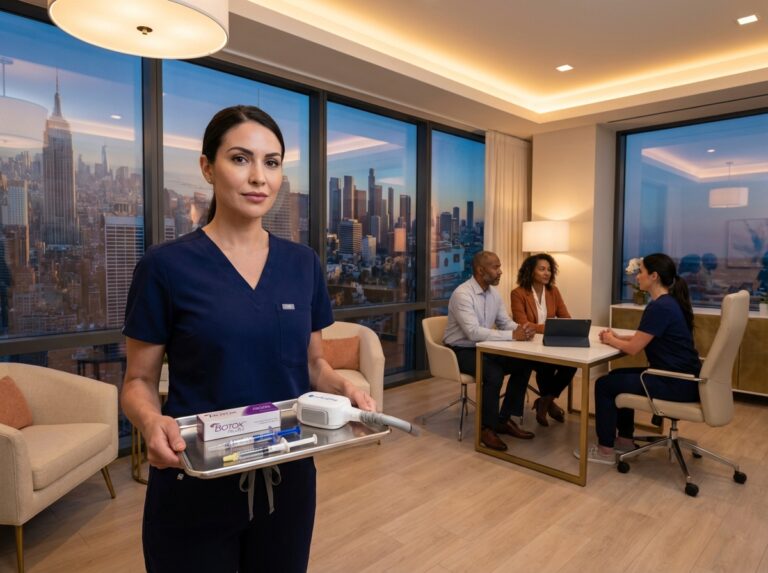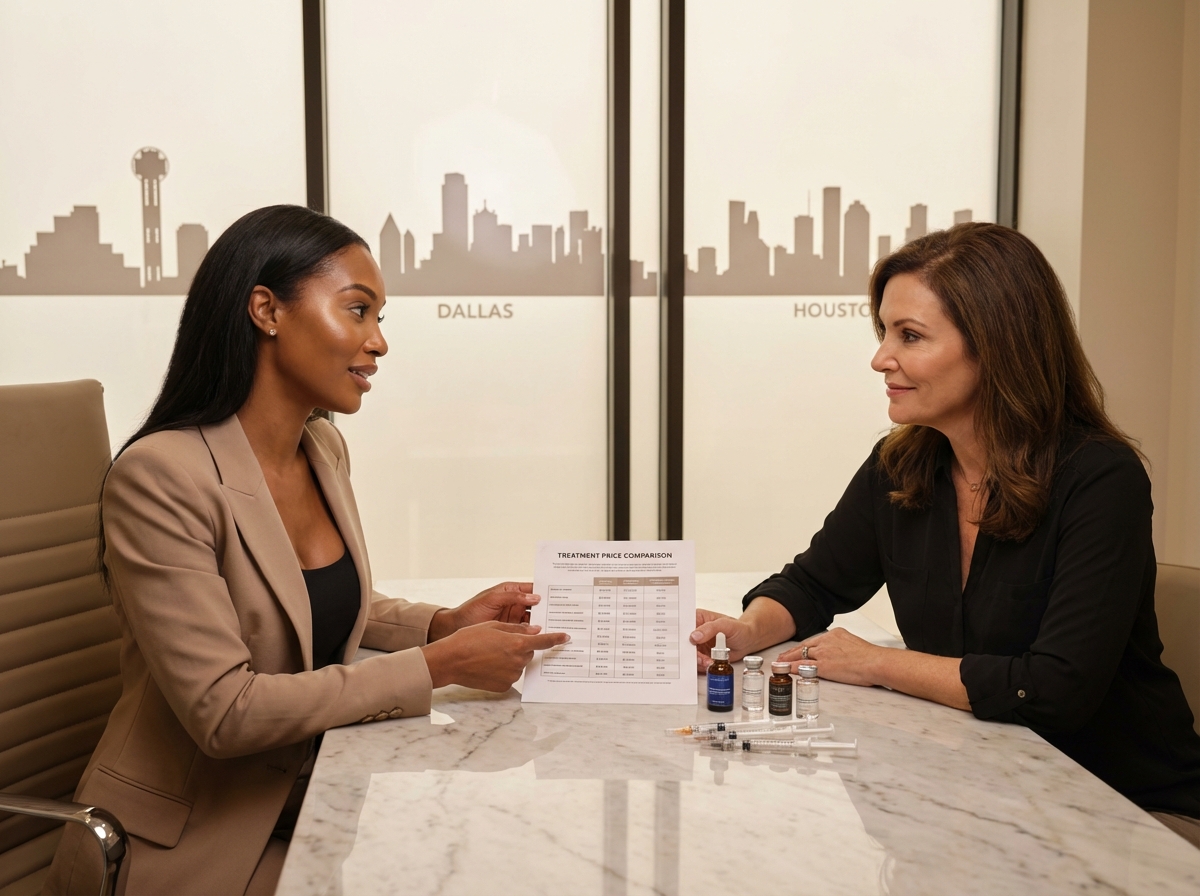
Planning a non-surgical aesthetic treatment in Texas? This guide compares typical prices in Dallas and Houston for Botox, dermal fillers, CoolSculpting and other popular procedures, explains how clinics set their fees, and gives practical steps to compare offers and avoid common pricing pitfalls before you book.
Overview of the Texas non-surgical market and regional differences
Texas has become a global powerhouse for non-surgical aesthetic procedures. The state currently sits at the top of the national market for treatments like Botox and body contouring. This growth is driven by a massive population increase and a culture that places a high value on personal appearance. Dallas and Houston serve as the two primary hubs for these services. Each city offers a unique environment for patients. Understanding the regional differences between these two metropolitan areas is essential before you book an appointment.
The demand in Texas is fueled by several factors. Local income levels in specific neighborhoods play a huge role. In Dallas, areas like Highland Park and Preston Hollow have a long history of supporting high-end medspas. The culture there often prioritizes a polished and youthful look. Houston relies on its status as a world-class medical destination. The Texas Medical Center attracts patients from across the globe. This medical tourism brings a steady stream of clients who seek out the latest technology in skin rejuvenation.
Competition between clinics is intense in both cities. This high density of providers usually helps keep prices from spiraling out of control. However, overhead costs vary significantly between the two regions. Houston is about 8 to 12 percent cheaper overall than Dallas. This difference is largely due to housing and commercial rent prices. A clinic in a trendy Dallas neighborhood like Uptown will face much higher monthly expenses than a similar facility in many parts of Houston. These costs are often passed down to the patient in the form of higher per-unit prices for neurotoxins or higher session fees for lasers.
Patient demographics also influence the types of treatments that dominate each market. Dallas patients frequently request preventative Botox and facial fillers. There is a strong emphasis on facial symmetry and skin texture. Houston sees a massive interest in body contouring. CoolSculpting and other fat-reduction methods are incredibly popular there. The humid climate and year-round warm weather keep body-focused treatments in high demand. Houston also has a more diverse population. This leads to a greater variety of specialized treatments for different skin tones.
You can learn a lot about a clinic by watching local market signals. Long queue times are often a sign of high quality. If a top-rated injector has a month-long waiting list, it suggests they have a loyal client base. You should be cautious of clinics that rely too heavily on aggressive advertising. Constant deep discounts on social media might indicate a high turnover of staff. Many successful Texas medspas now offer membership programs. These plans allow you to pay a monthly fee in exchange for lower rates on regular treatments. This model is becoming the standard for patients who want to maintain their results without paying full retail prices every visit.
Licensing and safety should be your first priority. The Texas Medical Board is the primary resource for verifying a provider. You can search their database to see if a doctor or nurse has a clean record. For facilities that perform more invasive non-surgical work, look for accreditation from the American Association for Accreditation of Ambulatory Surgery Facilities. This ensures the clinic meets strict safety standards. Patient review platforms are useful for gauging the overall experience. Look for detailed accounts of the consultation process rather than just the final result.
Pricing in late 2025 remains fluid. Inflation has impacted the cost of medical supplies and staffing. Most clinics have updated their websites to reflect these changes. You should always check for the latest rates online before visiting. A phone consultation is the most reliable way to get a quote tailored to your specific needs. Some clinics offer virtual assessments to provide a price range before you drive to the office. This helps you compare the Dallas vs Houston cost of living comparison and how it reflects in your beauty budget.
The aesthetic market in Texas is sophisticated. Providers in Dallas and Houston are among the best in the country. By paying attention to overhead trends and clinic reputations, you can find high-quality care at a fair price. Always remember that the cheapest option is not always the safest. Focus on finding a provider who understands your goals and has the credentials to back up their work.
Typical price ranges for common non-surgical procedures
The cost of aesthetic treatments in Texas varies significantly between the major hubs of Dallas and Houston. While both cities have a high density of luxury medspas and specialized clinics, the local economy and competition levels create distinct pricing tiers. Houston generally offers a slightly lower entry point for many services. This aligns with broader economic trends where Houston maintains a lower cost of living compared to Dallas. You can see more details on these regional differences in this Dallas vs Houston cost comparison.
Botox and Dysport Pricing Models
Neurotoxins are the most common entry point for aesthetic patients. Most clinics in Texas charge per unit. In Dallas, the price for Botox typically falls between $12 and $17 per unit. Houston rates are often more competitive, ranging from $11 to $16 per unit. Dysport is another popular option. It requires more units to achieve the same result as Botox, so it is priced lower per unit, usually between $4 and $6. When you book a treatment for a specific area, such as the forehead or crow’s feet, the total cost depends on your muscle strength and desired movement. A standard treatment for three common areas often requires 40 to 60 units of Botox; for example, most patients require 20 units for the forehead and another 20 units for the glabellar lines (frown lines). This results in a total price range of $480 to $1,020 in Dallas and $440 to $960 in Houston. Some clinics offer a flat fee per area, but the per-unit model remains the standard for transparency.
Dermal Fillers by Syringe and Area
Hyaluronic acid fillers like Juvederm and Restylane are priced per syringe. A single syringe usually contains one milliliter of product. In the Dallas market, expect to pay between $650 and $950 per syringe. Houston prices are similar but often peak closer to $850 for standard fillers. Lip filler treatments typically use one syringe. Cheek augmentations or jawline contouring often require two to four syringes for a visible change. This means a full facial balancing session can cost between $1,300 and $3,800. The specific product used influences the price. Thicker fillers designed for deep volume like Juvederm Voluma cost more than thinner products used for fine lines. Some clinics, particularly in Houston, may offer bundle discounts if you purchase multiple syringes in a single session, whereas Dallas providers often focus on premium branding which keeps per-syringe prices stable.
Body Contouring and Fat Reduction
CoolSculpting is the leading non-surgical fat reduction treatment in both cities. It is priced per cycle, which refers to one application of the cooling paddle. A single cycle typically costs between $750 and $1,000. Most patients require a minimum of four to six cycles to treat the abdomen and flanks effectively. This brings the total package price to a range of $3,000 to $6,000. Many clinics bundle these into packages of six or eight cycles to lower the price per application. SculpSure is a laser-based alternative that is also available in many Texas clinics. It is often priced per applicator or as a flat session fee for a specific body part. A single SculpSure session usually costs between $1,200 and $2,500. If a clinic offers a price significantly below $600 per CoolSculpting cycle, it may be a promotional offer or involve older technology.
Skin Resurfacing and Laser Treatments
Microneedling has become a staple for skin texture improvement. Standard microneedling sessions cost between $300 and $500. RF microneedling, which adds radiofrequency energy for skin tightening, is much more expensive. In Dallas and Houston, a single RF microneedling session ranges from $700 to $1,200. Laser treatments vary by the depth of the procedure. Intense Pulsed Light (IPL) for sun spots costs $300 to $600 per session. Fractional CO2 lasers or other ablative treatments are more intensive and cost between $1,500 and $3,000 per session. Laser hair removal is usually sold in packages of six. A package for a small area like the underarms costs $400 to $700. Large areas like the back or legs can cost $1,500 to $2,500 for a full series.
Kybella and PRP Injections
Kybella is an injectable treatment used to dissolve fat under the chin. It is priced per vial. Most patients need two vials per treatment and two to four treatments in total. Each vial costs between $600 and $800. This makes Kybella one of the more expensive non-surgical options, with total costs often reaching $2,400 to $6,400. Platelet-Rich Plasma (PRP) injections for hair loss or facial rejuvenation cost between $600 and $1,200 per session. The price depends on the concentration of platelets and the specific centrifuge system the clinic uses.
| Procedure | Dallas Range | Houston Range | Pricing Unit |
|---|---|---|---|
| Botox | $12 – $17 | $11 – $16 | Per Unit |
| Fillers | $650 – $950 | $600 – $850 | Per Syringe |
| CoolSculpting | $750 – $1,000 | $700 – $950 | Per Cycle |
| RF Microneedling | $800 – $1,200 | $700 – $1,100 | Per Session |
| Kybella | $650 – $800 | $600 – $750 | Per Vial |
Factors That Influence Final Costs
The numbers above are approximate ranges for the 2025 market. Several factors can push your quote to the high or low end. The credentials of the person performing the treatment are a major factor. You will pay more for a board-certified dermatologist or plastic surgeon than for a registered nurse. The location of the clinic also matters. High-rent districts like North Dallas or the Houston Galleria often have higher service fees. Many clinics now use membership plans to encourage loyalty. These plans usually involve a monthly fee that is banked for future treatments and provides a 10 to 20 percent discount on all services. Always verify current rates with the clinic directly. Ask about seasonal promotions or financing options like CareCredit which are common in the Texas aesthetic market.
How clinics set prices and how to compare offers effectively
Understanding how a clinic in Dallas or Houston arrives at a specific price requires looking behind the front desk. Pricing is rarely a random number. It is a calculation based on several fixed and variable costs that ensure your safety and the quality of your results. The most significant factor is the person holding the syringe or operating the laser. A board certified dermatologist or plastic surgeon has invested decades in education and specialized training. Their time is more expensive than that of a registered nurse or a physician assistant. While many nurses are highly skilled injectors, the presence of a medical director and the level of direct supervision influence the final bill. In the Dallas market, seeing a high-profile MD can add 20 percent or more to the total bill compared to a mid-level provider. Higher prices often reflect this safety net and the expertise required to handle rare but serious complications.
The physical location of the clinic plays a role in your quote. Real estate costs in trendy areas like the Dallas Design District or Houston’s River Oaks are substantial. These overhead costs are built into the treatment prices. While Houston offers a lower cost of living than Dallas in many categories, the luxury aesthetic market in both cities tends to stay within a similar price bracket. You are also paying for the technology used during your session. A clinic using the newest FDA cleared devices for laser hair removal or body contouring will charge more than one using older or refurbished equipment. New machines often provide faster results with less discomfort, which justifies the premium for many patients.
Consumables and brand names add another layer to the cost. Authentic Botox Cosmetic, Juvederm, and Restylane are expensive for clinics to purchase directly from the manufacturers. If a price seems incredibly low, the clinic might be using a less expensive off-brand or diluting the product more than recommended. You should also consider the length of the appointment and the level of aftercare provided. A rushed fifteen minute session will cost less than a comprehensive hour long consultation that includes a customized skin analysis and follow up calls. Insurance and liability coverage for aesthetic procedures is another hidden cost that reputable clinics never skip. This protection ensures that both you and the provider are covered in case of an unexpected outcome.
To compare offers effectively, you need to normalize the data. Comparing a flat fee for a treatment area to a per unit price is like comparing apples to oranges. Use a simple framework to get an accurate picture of what you are paying. Ask every clinic for a breakdown of the exact product brand and the number of units or syringes they expect to use for your specific face. This allows you to calculate the cost per unit. For body treatments like CoolSculpting, ask for the price per cycle and the total number of cycles recommended for your goals. This prevents the surprise of a low initial quote that doubles once the full treatment plan is revealed.
Comprehensive Comparison & Booking Checklist
Use this list when calling clinics or attending consultations to ensure you are comparing equal services and protecting your investment:
- Research the Provider: Verify the specific experience of the injector. Look for how many years they have performed the exact procedure you want. A provider might be an expert in laser hair removal but a novice in tear trough fillers. Check their standing with the Texas Medical Board or the Texas Board of Nursing.
- Identify Provider Credentials: Ask if a doctor, nurse practitioner, or registered nurse will perform the procedure. Prices should reflect the level of training.
- Compare Per Unit vs. Per Area: Ask for the exact price per unit of neurotoxin or per syringe of filler. Some clinics use flat rate pricing for areas like the forehead, which can be misleading. Knowing the unit price allows you to compare Dallas and Houston rates accurately.
- Confirm Product Brand: Ensure they are using the specific filler or neurotoxin you discussed. Authentic products have specific holographic labels and serial numbers that you can verify.
- Request a Full Fee Breakdown: Get a written estimate that includes all potential fees. This should include any facility fees, numbing cream costs, or mandatory follow up appointments.
- Verify Technology: Not all lasers or body contouring machines are equal. Confirm the specific model of the device being used. Older technology might be cheaper but less effective or more painful.
- Review Before and After Photos: Ensure the photos show patients with similar features or concerns to your own, and are not just manufacturer stock photos.
- Read Recent Reviews: Focus on reviews from the last six months. Look for comments regarding the staff’s professionalism, the clinic’s cleanliness, and how the clinic responds to negative feedback.
- Check Cancellation and Refund Policies: Understand the financial commitment before you book. Many clinics require a deposit that is non refundable if you cancel within 24 or 48 hours. Ask what happens if you are unhappy with the results or if a follow up touch up is included in the initial price.
Questions to Ask During a Consultation
Is the price quoted a firm estimate or can it change on the day of the procedure? Does this price include a touch up if the initial result is asymmetrical? What happens if I am not satisfied with the results? Are there any hidden fees for post treatment skincare or recovery kits? Do you offer package pricing if I book multiple sessions upfront? How many times have you performed this specific procedure this month?
Identifying Red Flags
Extremely cheap prices are the biggest warning sign in the aesthetic industry. If a clinic is selling Botox for significantly less than the local average, they may be cutting corners on safety or product quality. Pressure sales tactics are another red flag. A reputable provider will give you time to think and will not push you into extra treatments you did not ask for. A lack of before and after images or a refusal to show you the actual product packaging should also cause concern. A higher price is often justified when it includes a high level of artistry, a proven safety record, and a commitment to natural looking results. Always confirm the cancellation and refund policies before paying a deposit. Many clinics in Dallas and Houston offer financing terms through third party providers, but you should read the fine print regarding interest rates and repayment schedules before signing.
Frequently Asked Questions
Price negotiations and financing options
Prices at professional medical spas are generally firm. You will not find much success trying to haggle over the price of a single syringe. You can save money by looking for seasonal promotions or joining a loyalty program. Many Texas clinics use financing platforms like CareCredit or Cherry. These allow you to pay for your treatment over several months. This is common in Dallas where patients often opt for full-face liquid facelifts that cost several thousand dollars at once.
Action Step
Look for a membership program that offers a fixed monthly price for regular maintenance.
Insurance coverage for aesthetic treatments
Insurance companies view these treatments as cosmetic and elective. They will not pay for Botox to smooth wrinkles or fillers to add volume. You might get coverage for Botox if it treats a medical condition like hyperhidrosis or chronic migraines. You must have a diagnosis from a specialist for this to happen. Most medspas do not even accept insurance because the administrative burden is too high for elective procedures.
Action Step
Assume you will pay the full price out of pocket and budget accordingly.
Longevity of results and annual costs
Botox lasts about three to four months. Fillers can last anywhere from six months to two years. When you calculate the cost, look at the price per year rather than the price per visit. Botox is a recurring expense every few months. Fillers are a larger one-time investment that lasts much longer. If you live in Houston, you might find that the lower cost of living allows for more frequent maintenance within the same budget.
Action Step
Ask your provider for the expected duration of the specific product they are using to calculate your yearly maintenance cost.
Final takeaways
The aesthetic markets in Dallas and Houston reflect the broader economic trends of Texas in late 2025. Dallas continues to position itself as a hub for luxury cosmetic services. Prices in neighborhoods like Highland Park or Turtle Creek often sit at the top of the state average. This is driven by high commercial rents and a high concentration of specialized plastic surgeons. Houston offers a more varied pricing landscape. While luxury clinics in River Oaks match Dallas rates, the sheer size of the Houston market allows for more competitive pricing in the suburbs. Recent data suggests that Houston offers a lower cost of living than Dallas, which translates to lower overhead for many medspas. You can often find a 10 to 15 percent difference in price for the exact same filler brand just by shifting your search from North Dallas to the Houston energy corridor.
Price variability is not just about geography. The primary drivers of cost remain the credentials of the person holding the needle and the specific products used. A board certified dermatologist in Dallas will charge more than a registered nurse at a suburban Houston medspa. This price gap accounts for the years of specialized training and the added safety net of medical expertise. You are paying for the injector’s ability to handle complications as much as their ability to deliver a good result. Product choice matters too. Brand name neurotoxins like Botox often carry a higher price tag than newer competitors like Jeuveau or Daxxy. Clinics often pass their wholesale savings on to you when you choose these newer options.
Avoiding overpayment requires a balance of timing and research. Many clinics offer significant discounts during the final quarter of the year. Booking in December often allows you to take advantage of holiday promotions or year end loyalty program rewards. However, you should be cautious of prices that seem too low. If a clinic offers Botox at a rate significantly below the local market average, they might be over diluting the product or using providers with minimal experience. It is better to pay a fair market rate for a safe, effective treatment than to risk a poor outcome for a bargain. Timing your treatments can save you hundreds of dollars. Many clinics in both Dallas and Houston run seasonal specials during the spring and fall. Package deals for treatments like CoolSculpting or laser hair removal can offer better value, but only if the terms are transparent. Ensure the package does not expire before you can finish all the sessions. Prioritize the qualifications of your injector over the lowest price you find online. The cost of correcting a bad filler job is always higher than the cost of doing it right the first time.
References
- Dallas vs Houston: Cost of Living Comparison – BKV Energy — In this article, we'll compare the average Dallas vs Houston cost of living to give you a clear picture and help you make an informed choice.
- Dallas vs Houston 2025: Complete Living & Moving Guide — Yes, Houston is 8-12% cheaper overall, particularly in housing costs where you can get 15-20% more space for the same budget.
- Houston offers a lower cost of living than these 2 major Texas cities — Houston is not the most expensive place to live in Texas. Dallas and Austin are costlier. Numbeo's cost-of-living index for 2025 shows Dallas ranks first in …
- 10 Most Affordable Texas Cities (2025 Rankings) – reAlpha — Discover the 10 most affordable cities in Texas for 2025-where homes cost up to 17% less and living expenses stay 10% below the U.S. average …
- Houston vs. Dallas: Which City Is Better for Buying a Home in 2025? — Houston is more affordable up front, but Dallas may offer a stronger return over the long haul—especially if you're planning to stay in the home for 7+ years …
- Home Prices Are Out of Control in These 15 Texas Towns (May 2025) — With a 2025 median approaching $1.13 million, Bellaire remains a cornerstone of Houston's luxury real estate. Bellaire – Urban Sophistication in …
- Texas Housing Market Trends: What to Expect in 2025 — Cities such as Austin, Dallas, and Houston are likely to see significant population increases, potentially leading to higher property values.
- Dallas vs Houston – costs of living compared | State to State Move — In recent studies, Dallas takes a marginal lead in housing affordability. On average, the median home price in Dallas hovers around $270,000, whereas in Houston …
Legal Disclaimers & Brand Notices
The content provided in this article is for informational purposes only and does not constitute professional medical advice, diagnosis, or treatment. Always seek the advice of a physician or other qualified health provider with any questions you may have regarding a medical condition or specific aesthetic procedure. Never disregard professional medical advice or delay in seeking it because of something you have read in this article.
All product names, logos, and brands mentioned, including Botox, Dysport, Juvederm, Restylane, and CoolSculpting, are the property of their respective owners. All company, product, and service names used in this text are for identification purposes only. Use of these names, logos, and brands does not imply endorsement, affiliation, or certification by the trademark owners.